If you are exploring advanced imaging, you are likely not waiting for symptoms to decide what to do next. You want clarity before problems surface.
When comparing full body MRI vs CT scan, the question is not which technology is more common. It is which one aligns with your goal of early detection, detailed insight, and long-term health planning.
Both scans can look inside the body. But the way they work, what they detect best, and how they impact safety are very different.
Understanding the key MRI vs CT scan differences helps you choose the right tool for proactive care.
How MRI and CT Technology Work
The most fundamental distinction in MRI vs CT scan differences lies in how the images are created.
MRI
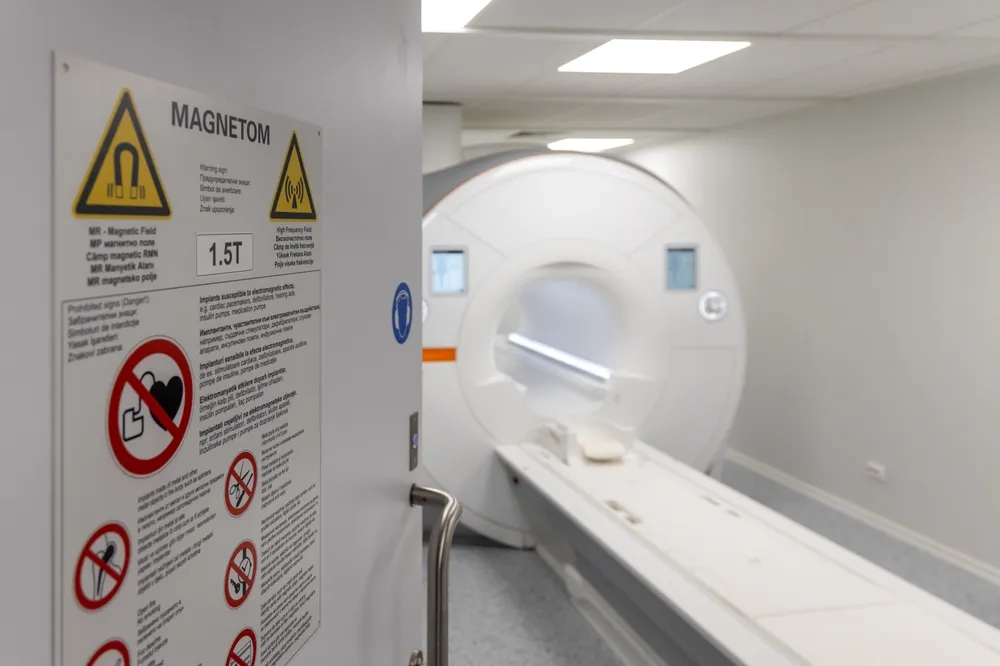
Magnetic Resonance Imaging uses powerful magnets and radiofrequency waves to produce detailed images of soft tissues, organs, blood vessels, and the brain. It does not use ionizing radiation.
MRI excels at visualizing:
- Soft tissue structures
- Brain and spinal cord
- Organs such as liver, pancreas, and kidneys
- Muscles and connective tissue
- Vascular structures when combined with angiographic sequences
Because of its precision in soft tissue evaluation, MRI is often used in preventive whole-body imaging.
CT Scan
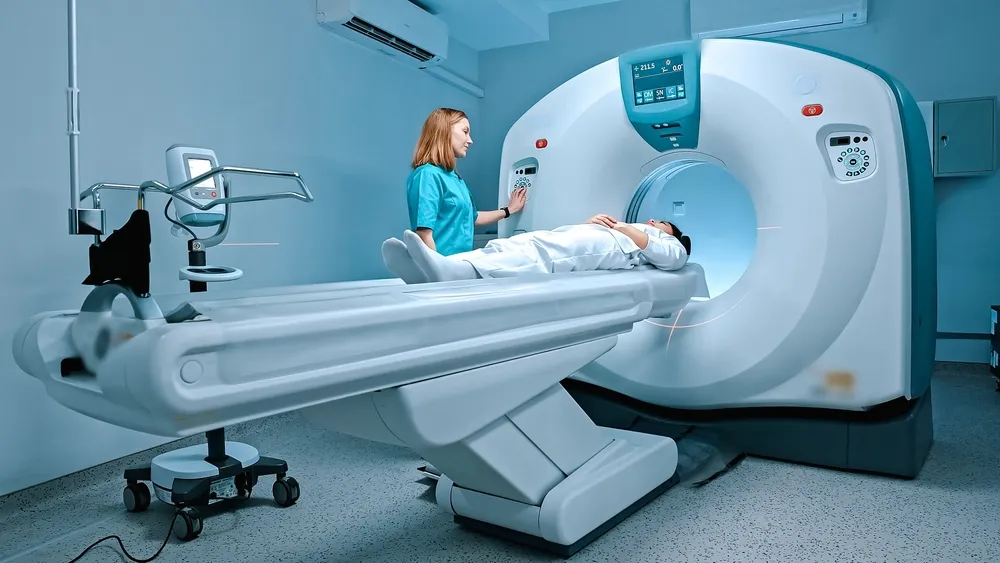
Computed Tomography uses X-rays to generate cross-sectional images of the body. It is fast and widely available.
CT scans are particularly useful for:
- Evaluating bone fractures
- Detecting acute bleeding
- Emergency trauma assessment
- Lung imaging
- Certain abdominal conditions
However, CT imaging involves exposure to ionizing radiation, which is an important consideration when evaluating MRI vs CT scan safety.
MRI vs CT Radiation: What to Know
One of the most significant differences in the full body MRI vs CT scan discussion is radiation exposure.
CT scans use X-ray technology. While modern systems minimize exposure, radiation is still part of the process. For emergency situations or necessary diagnostic imaging, the benefits clearly outweigh the risks.
MRI, by contrast, does not use ionizing radiation. When evaluating MRI vs CT radiation, this becomes especially relevant for preventive imaging or repeat scans over time. For patients considering imaging as part of a long-term wellness strategy, radiation-free technology can offer additional peace of mind.
CT Scan vs MRI for Cancer Detection
Another common question is how CT scan vs MRI for cancer detection compares. Both modalities can detect tumors. The best choice depends on the location and purpose of the scan.
CT for Cancer Detection
CT is often used in:
- Lung cancer screening
- Emergency cancer evaluation
- Rapid assessment of advanced disease
It is fast and effective, particularly in acute or hospital settings.
MRI for Cancer Detection
MRI provides higher soft tissue contrast and is especially valuable in detecting:
- Brain tumors
- Liver lesions
- Pancreatic abnormalities
- Pelvic and abdominal soft tissue tumors
- Early-stage structural changes
When discussing CT scan vs MRI for cancer detection, MRI is often favored for detailed soft tissue evaluation and early-stage assessment. Early detection significantly improves survival outcomes across many cancers . For individuals pursuing proactive screening, this level of detail matters.
Full Body MRI Compared to CT for Preventive Screening
When considering full body MRI compared to CT, purpose becomes central. CT scans are commonly used for specific diagnostic questions. They are not typically used for broad preventive whole-body imaging due to cumulative radiation exposure concerns.
A full-body MRI, on the other hand, is designed for comprehensive structural evaluation without radiation. It can assess:
- Brain and vascular structures
- Solid organs
- Spine
- Soft tissue
- Metabolic indicators such as liver fat
For asymptomatic individuals focused on early detection, the radiation-free nature of MRI and its soft tissue resolution make it a strong candidate for preventive use.
MRI vs CT Scan Safety Considerations
In evaluating MRI vs CT scan safety, several factors come into play:
Radiation Exposure
CT involves radiation. MRI does not.
Contrast Agents
Both MRI and CT may use contrast in certain studies. Contrast decisions are made carefully based on patient history and kidney function.
Medical Devices
MRI uses strong magnets. Certain implanted devices may require evaluation before scanning. In general, both technologies are considered safe when appropriately used. The question is not which is universally better, but which is better suited to your goals.
When Might CT Be Preferred?
CT is often preferred in emergency or acute situations, including:
- Trauma
- Suspected internal bleeding
- Stroke evaluation
- Lung imaging
Its speed and accessibility make it invaluable in urgent care. Preventive whole-body screening, however, is a different conversation.
Making an Informed Choice
The decision between full body MRI vs CT scan should be guided by:
- Your clinical purpose
- Your risk factors
- Your desire for radiation-free imaging
- The level of structural detail required
For preventive screening and early structural insight, MRI provides comprehensive, radiation-free evaluation of soft tissues and organs.
For urgent diagnostic needs, CT remains a powerful and essential tool.
Both have value. The key is alignment with your goals.
Ready to Take the Next Step in Preventive Imaging?
At Veralux Health in Rogers, Arkansas, preventive imaging is designed around clarity, precision, and patient comfort. As Northwest Arkansas’ first dedicated whole-body MRI center, our approach is on advanced AI-enhanced imaging, detailed consultation with a board-certified radiologist, and a calm environment that supports confident decision-making.
If you are exploring your options and want to better understand which imaging approach fits your needs, schedule a conversation or scan today.
Take Control of Your Health With Clarity You Can TRust
Prevention should be proactive, personal, and clear.
That's why we've created an experience that gives you real insight into your health-sooner.