When people begin exploring advanced imaging, one question often rises to the surface: can an MRI detect cancer? It is a fair and important question. Magnetic Resonance Imaging offers detailed views of soft tissues, organs, and blood vessels. It can identify structural abnormalities that may not yet cause symptoms. But while MRI for cancer plays a powerful role in early detection, it is not a universal solution for every type of cancer.
Understanding both the strengths and the limits of MRI helps you make informed decisions about preventive imaging.
How MRI Detects Cancer
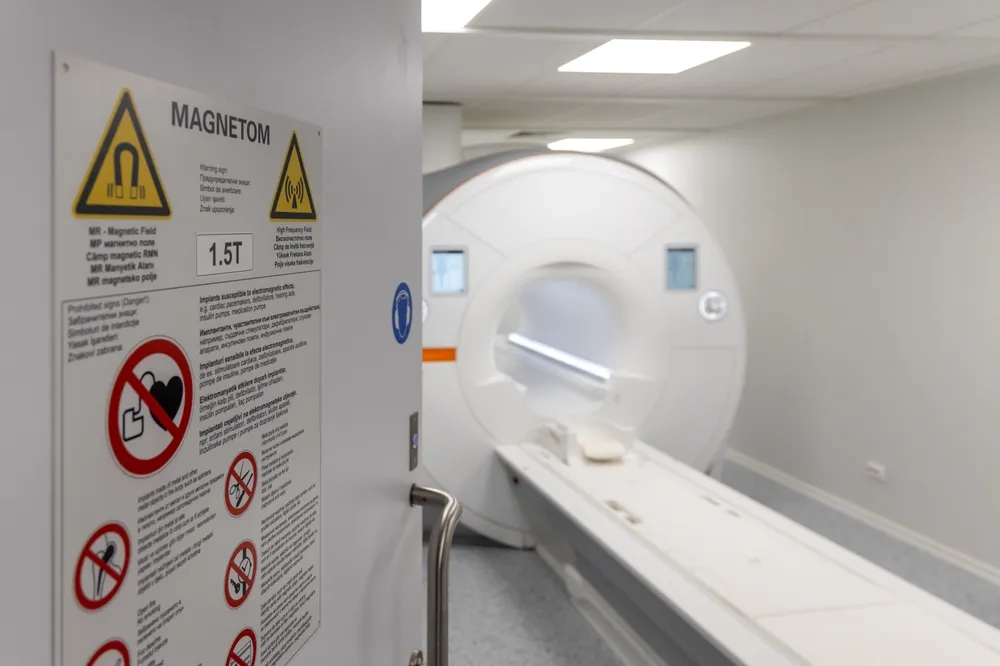
MRI uses powerful magnets and radiofrequency waves to generate high-resolution images of soft tissue structures. Because many cancers begin as subtle tissue changes, MRI is especially valuable in detecting abnormalities in organs and areas where soft tissue contrast matters most.
In many cases, MRI for early cancer detection focuses on identifying:
- Masses
- Tumors
- Organ enlargement
- Abnormal tissue density
- Vascular irregularities
When disease is identified at a localized stage, outcomes are significantly stronger compared to later-stage detection . That reality is why early structural imaging has become part of modern preventive conversations.
Cancers MRI Can Detect Effectively
While no imaging test detects every cancer, MRI is particularly strong in evaluating several categories.
Brain Tumors
A brain MRI provides detailed imaging of brain tissue, allowing physicians to identify tumors, masses, and abnormal growths with precision.
Liver and Pancreatic Cancers
MRI offers excellent soft tissue contrast in abdominal organs. It can detect liver lesions, pancreatic abnormalities, and other structural changes that may require further evaluation.
Kidney Cancer
Renal tumors are often visible through MRI cancer detection accuracy, particularly when they are localized.
Spinal and Soft Tissue Tumors
MRI excels at identifying tumors in muscles, connective tissue, and along the spine.
Pelvic and Reproductive Organ Cancers
In certain cases, MRI provides detailed imaging of the uterus, ovaries, and prostate, helping detect abnormalities early.
Because MRI produces high-contrast images of soft tissue, it is often preferred for evaluating these regions.
MRI Cancer Detection Accuracy
When discussing MRI cancer detection accuracy, context matters. MRI is highly sensitive in detecting structural abnormalities. It can identify masses at relatively small sizes, depending on the organ and imaging protocol. However, MRI does not diagnose cancer by itself. If an abnormality is found, further evaluation is required. That may include:
- Additional imaging
- Laboratory tests
- Referral to a specialist
- Biopsy
Imaging identifies suspicious areas. Tissue analysis confirms diagnosis.
MRI vs Biopsy for Cancer Detection
A common misunderstanding arises when comparing MRI vs biopsy for cancer detection. An MRI can suggest that a mass or lesion is present. It can describe size, location, and characteristics. But only a biopsy can determine whether cells are cancerous.
Think of MRI as detection and biopsy as confirmation. They serve different but complementary roles. Preventive imaging focuses on identifying concerns early. If something suspicious appears, targeted follow-up ensures clarity.
Cancers MRI Cannot Detect Reliably
Understanding the limits of MRI for cancer is just as important as understanding its strengths. Some cancers are not easily visualized with MRI alone.
Certain Blood Cancers
Leukemia and some lymphomas may not present as solid tumors initially. Because MRI primarily detects structural abnormalities, blood-based cancers may require laboratory testing for diagnosis.
Very Early Microscopic Disease
If cancer cells are present but have not yet formed a detectable mass, imaging may not identify them. MRI detects structural changes, not individual cells.
Small Lung Nodules
CT scans are often preferred for lung cancer screening because air-filled lung tissue is better evaluated with CT technology.
Certain Gastrointestinal Cancers
While MRI can identify some abdominal abnormalities, colonoscopy remains the gold standard for detecting many colon cancers.
MRI for Early Cancer Detection as Part of a Larger Strategy
Preventive health works best when layered. Routine checkups, lab work, age-based screenings, and imaging all serve different purposes. MRI for early cancer detection provides structural insight that blood tests and physical exams cannot.
It does not replace mammograms, colonoscopies, or other recommended screenings. It complements them. When abnormalities are found at an earlier stage, treatment decisions are often more straightforward and outcomes more favorable . That is the philosophy behind preventive imaging.
What an MRI Can Offer Even When It Finds Nothing
Sometimes the most valuable result is reassurance. When imaging shows no concerning abnormalities, patients often experience relief. That reassurance reduces uncertainty and supports confident long-term planning. Preventive imaging is not about expecting bad news. It is about eliminating the unknown.
A Balanced Perspective on MRI for Cancer
So, can an MRI detect cancer? Yes, particularly many soft tissue and organ-based cancers. It is a powerful tool for structural evaluation and early detection.
But it cannot detect every type of cancer. It cannot replace biopsy for definitive diagnosis. And it should be viewed as part of a broader preventive strategy rather than a standalone solution.
Understanding the true scope of MRI cancer detection accuracy allows you to approach imaging with realistic expectations and confidence.
Considering Preventive Imaging for Greater Peace of Mind?
At Veralux Health in Rogers, Arkansas,we offer preventive MRI to detect structural abnormalities as early as stage one, when intervention options are strongest . Every scan includes consultation with a board-certified radiologist, ensuring that if findings appear, you leave with understanding and a clear plan. Preventive care is not about fear. It is about empowerment.
If you are considering MRI for cancer as part of your proactive health strategy, schedule your scan today.
Take Control of Your Health With Clarity You Can TRust
Prevention should be proactive, personal, and clear.
That's why we've created an experience that gives you real insight into your health-sooner.