When it comes to checking for cancer, two of the most common diagnostic tools are MRI scans and biopsies. Both are incredibly valuable, but they work in completely different ways. Knowing when each one is used—and what makes them different—can help you feel more informed and confident about your care.
If you’ve been exploring MRI vs biopsy cancer detection methods or considering less invasive ways to screen for disease, this guide breaks it down simply. Keep reading to understand how each approach works, when they’re used, and how MRI technology is shaping the future of early detection.
MRI and Biopsy Answer Different Questions
MRI is an imaging test. It can identify structural abnormalities such as a mass, focal lesion, abnormal tissue signal, or other finding that may require additional clinical imaging, surveillance, or tissue sampling. MRI can help show where an abnormality is, how large it is, what structures it involves, and whether its imaging characteristics are concerning.
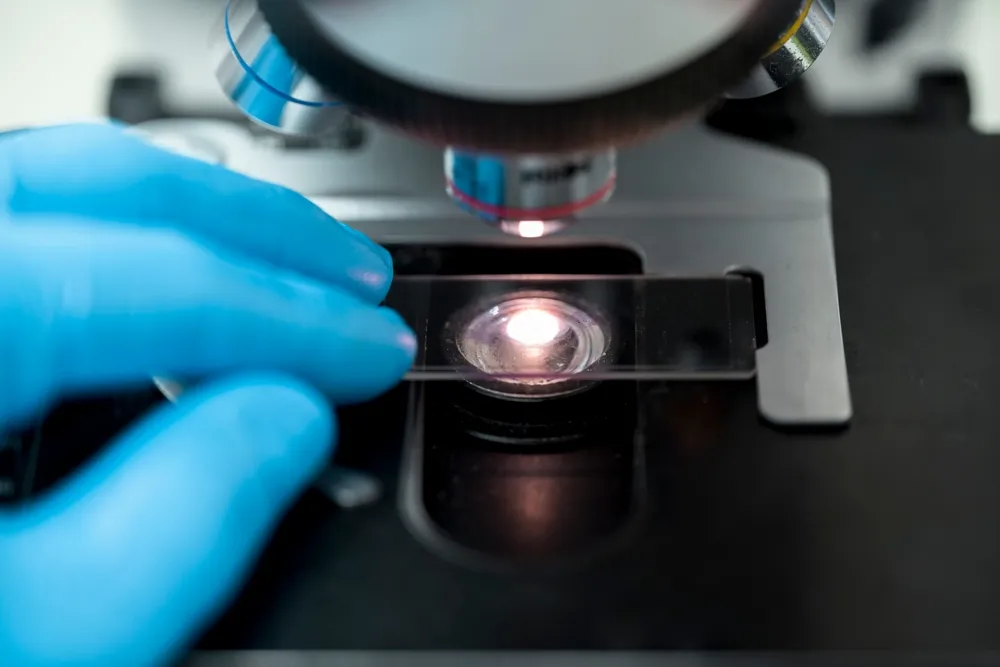
Biopsy is a tissue diagnosis. When imaging identifies a structural abnormality that warrants further evaluation, a biopsy may be performed to obtain tissue from that specific area. A pathologist then examines the tissue under the microscope to determine the definitive diagnosis.
The Role of MRI in Cancer Detection
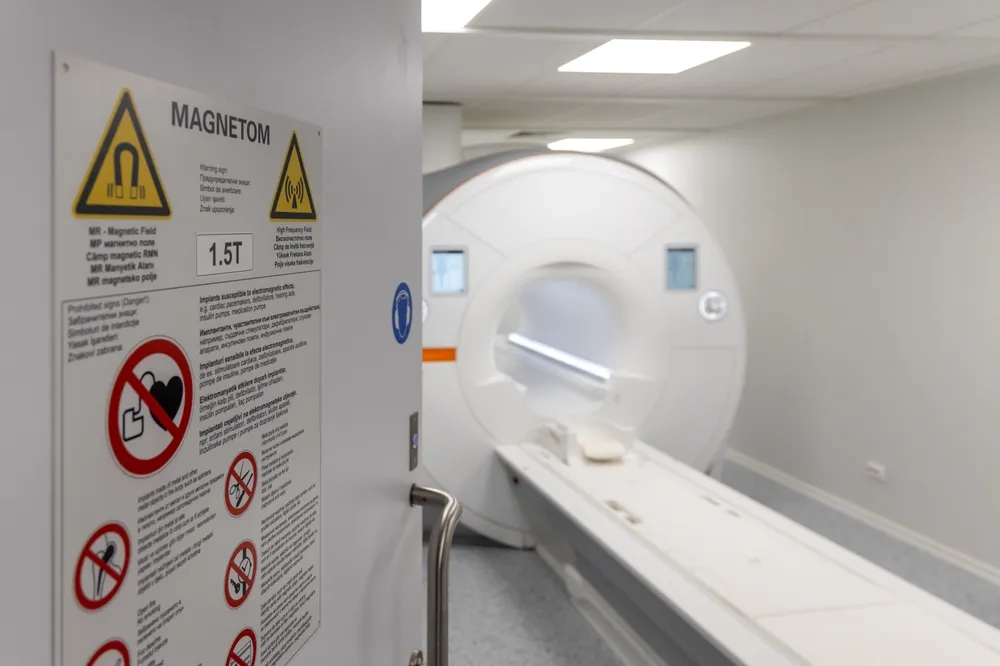
MRI, or magnetic resonance imaging, uses powerful magnets and radio waves to create highly detailed pictures of the inside of your body. This non-invasive approach allows doctors to detect abnormalities in soft tissues, organs, and blood vessels without surgery or radiation.
An MRI can reveal early changes in tissue structure that might indicate cancer, even before symptoms appear. It’s especially useful for detecting cancers in areas such as the brain, liver, pancreas, and spine, which can be difficult to examine through other means. Because it doesn’t involve cutting or exposure to radiation, MRI is also a safer option for repeat monitoring and long-term prevention.
The Role of a Biopsy in Cancer Diagnosis
A biopsy is a tissue-sampling procedure used to obtain cells or a small piece of tissue from a specific abnormality identified on imaging or clinical examination. A pathologist then examines that tissue under the microscope—and may perform additional laboratory testing—to determine the definitive diagnosis.
This is the key distinction from MRI: MRI can identify and characterize a structural abnormality, while biopsy can determine what that abnormality actually is at the tissue level. When MRI reveals a suspicious mass or lesion, the next step may be additional targeted imaging, short-interval follow-up, or biopsy, depending on the finding and clinical context.
Biopsy is invasive and carries risks such as bleeding, infection, pain, or other procedure-specific complications. It is also targeted to a particular abnormality rather than used as a whole-body screening tool. For that reason, imaging and biopsy are complementary rather than competing tests: imaging helps locate and assess an abnormality; biopsy can provide the histologic diagnosis when tissue confirmation is needed.
Key Differences Between MRI and Biopsy
To understand how these two methods complement each other, it helps to look at their main differences:
1) Technique and Approach
MRI scans use magnetic fields and radio waves to visualize what’s inside the body. A biopsy requires a physical tissue sample. MRI is a non-invasive cancer detection method, while a biopsy is invasive and involves a needle or minor surgery.
2) What Each Test Reveals
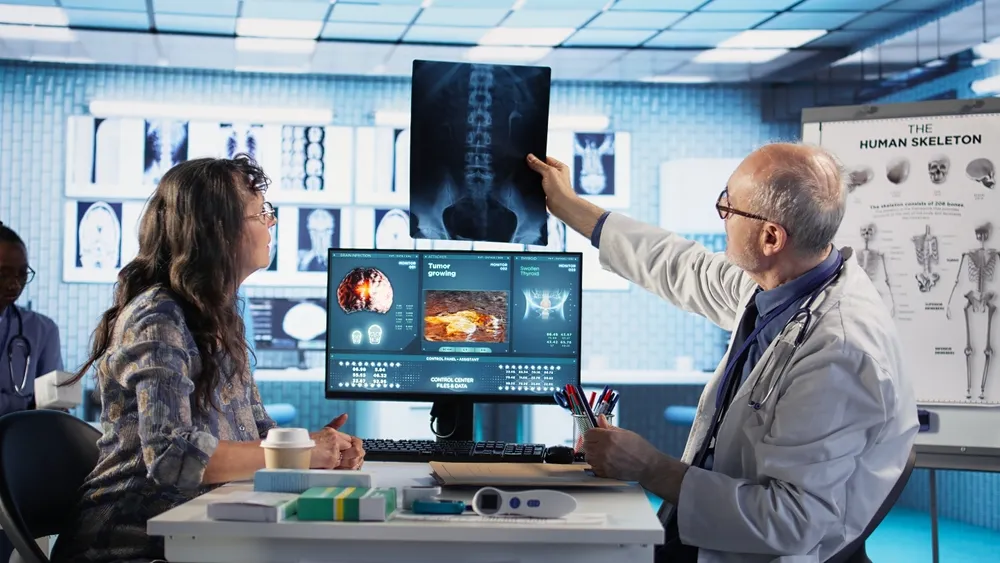
An MRI shows detailed images of structures, helping doctors locate abnormalities and plan further evaluation. A biopsy reveals the exact nature of the abnormality—whether it’s benign, pre-cancerous, or malignant.
3) Comfort and Recovery
MRI scans are painless and require no downtime. You can return to your normal activities right after. Biopsies may involve mild discomfort, local anesthesia, and a short recovery period.
4) Scope of Use
MRI can scan large areas of the body at once, helping spot problems early or monitor existing conditions. Biopsies are targeted; they confirm what imaging scans find.
5) Innovation and Prevention
MRI technology is advancing rapidly, offering biopsy alternatives for certain cases. Whole-body MRI screening, for example, enables doctors to detect potential issues before they develop into disease, allowing patients to take action early.
Experience a Smarter, Gentler Approach to Screening at Veralux
You want answers, not anxiety, and that’s what Veralux delivers. Our preventative MRI scans give you a complete look at your health without the need for needles, surgery, or recovery time. It’s an approach that fits the needs of people who value both accuracy and comfort.
You’ll receive clear results, explained by board-certified radiologists, so you can take the next step with confidence. If you’ve been searching for a smarter, non-invasive way to stay ahead of your health, contact us today to schedule your scan and see what peace of mind really feels like.
Take Control of Your Health With Clarity You Can TRust
Prevention should be proactive, personal, and clear.
That's why we've created an experience that gives you real insight into your health-sooner.