When your doctor recommends imaging, you may hear two common options: MRI or ultrasound. Both are widely used. Both are safe. Both help physicians see inside the body without surgery.
But when comparing MRI vs ultrasound, the real question is not which is more popular. It is which one provides the level of detail needed for your specific goal.
If you are exploring imaging for proactive health, early detection, or deeper diagnostic clarity, understanding how MRI compares to ultrasound can help you choose confidently.
How MRI and Ultrasound Work
The key to understanding MRI compared to ultrasound lies in how each technology creates images.
Ultrasound
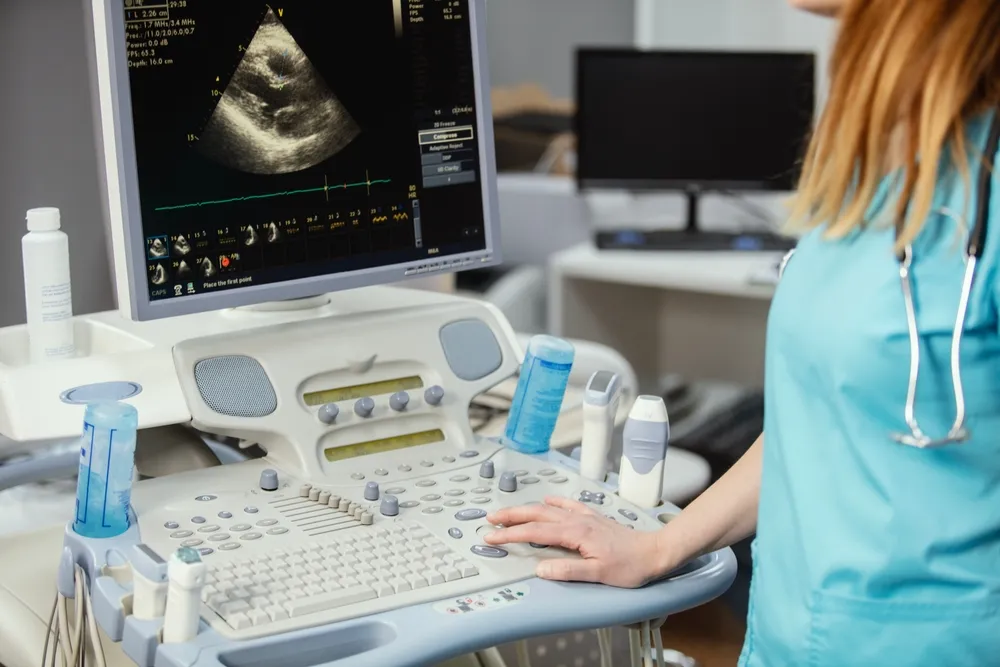
Ultrasound uses high-frequency sound waves to create real-time images of internal structures. It is commonly used to evaluate:
- Pregnancy
- Abdominal organs
- Thyroid
- Blood flow
- Soft tissue lumps
- Pelvic structures
It is quick, portable, and does not involve radiation.
MRI
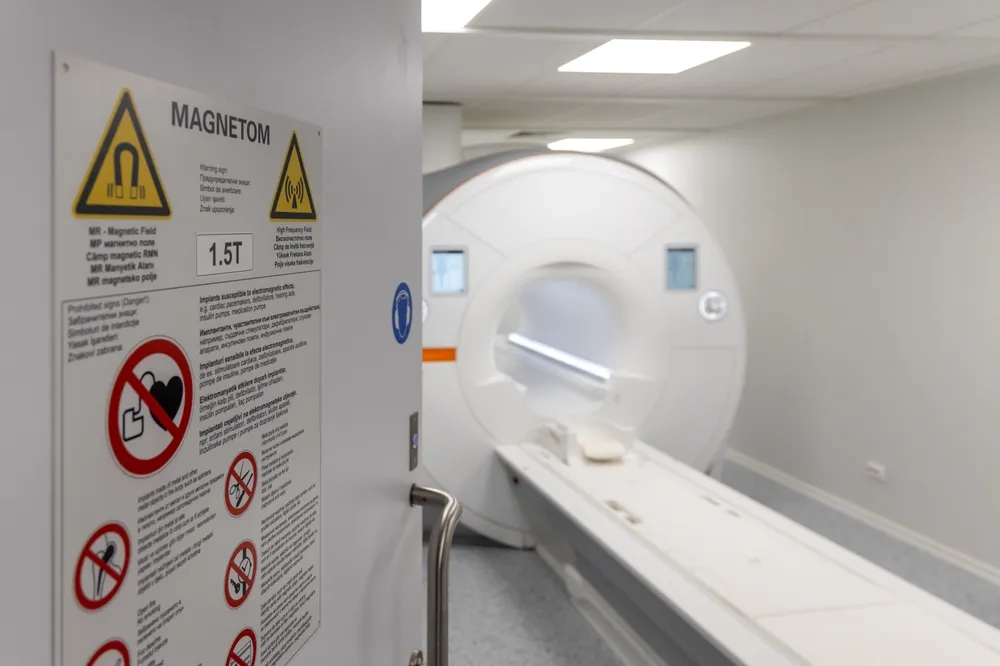
Magnetic Resonance Imaging uses powerful magnetic fields and radiofrequency waves to produce highly detailed images of soft tissues, organs, blood vessels, and the brain.
MRI provides high-resolution cross-sectional images that allow for deeper structural analysis. When evaluating MRI vs ultrasound for diagnosis, image depth and clarity often determine which test is more appropriate.
MRI vs Ultrasound for Diagnosis
Both technologies play important roles in modern medicine. Ultrasound is often used as a first-line imaging tool because it is:
- Fast
- Cost-effective
- Widely available
- Effective for fluid-filled or superficial structures
However, ultrasound has limitations.
Image quality depends heavily on the technician’s skill. It can be limited by body composition, gas in the intestines, and depth of structures. It does not provide the same detailed tissue contrast as MRI.
MRI, on the other hand, offers:
- Greater soft tissue contrast
- Detailed evaluation of deep organs
- Comprehensive views of complex anatomy
- Broader field of imaging
When discussing MRI vs ultrasound for diagnosis, MRI generally detects a wider range of structural abnormalities, especially in complex organs such as the brain, spine, liver, pancreas, and musculoskeletal system.
Ultrasound vs MRI Cancer Detection
A common comparison is ultrasound vs MRI cancer detection.
Ultrasound can identify certain tumors, particularly in:
- Thyroid
- Breast
- Liver
- Pelvis
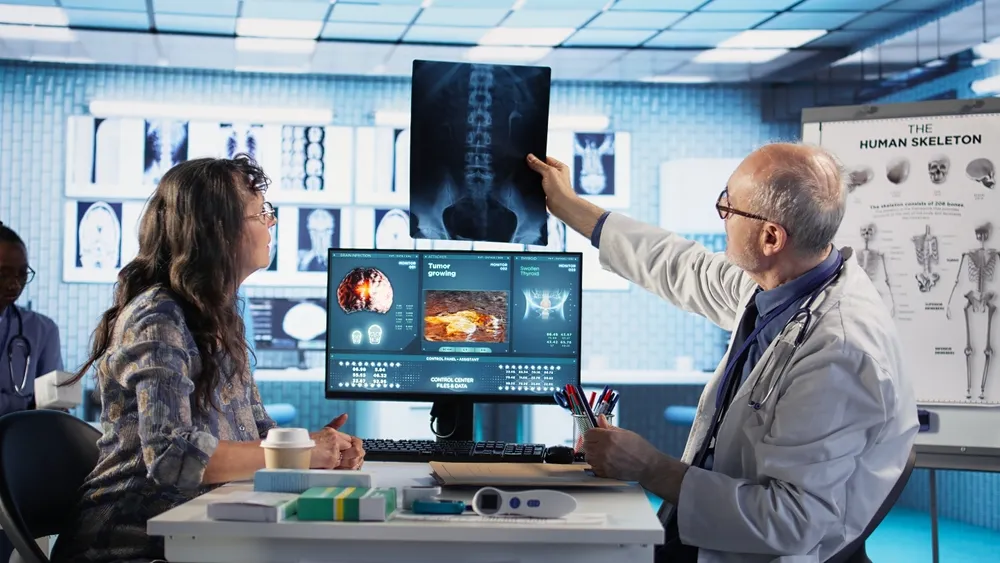
It is often used to evaluate a specific area where a lump or abnormality is suspected. However, MRI provides more detailed characterization of soft tissue masses. It can better distinguish between benign and suspicious findings in many cases and visualize deeper structures that ultrasound cannot clearly assess.
When cancer is detected at a localized stage, survival rates are significantly higher compared to detection after spread . That is why imaging detail matters in early detection strategies.
MRI is often preferred for evaluating:
- Brain tumors
- Spinal lesions
- Liver and pancreatic masses
- Musculoskeletal tumors
- Complex pelvic abnormalities
In preventive imaging conversations, MRI’s higher resolution and comprehensive coverage often make it the stronger tool.
When MRI Is Better Than Ultrasound
There are specific situations where when MRI is better than ultrasound becomes clear.
Deep Organ Evaluation
Ultrasound may struggle to clearly visualize deep abdominal structures in certain individuals. MRI provides consistent imaging regardless of depth.
Brain and Neurological Conditions
Ultrasound cannot image the adult brain effectively. MRI is the standard for evaluating neurological conditions.
Comprehensive Preventive Screening
Ultrasound is typically targeted to one region at a time. MRI can evaluate multiple organ systems in a single session, making it more suitable for whole-body preventive imaging.
Detailed Soft Tissue Analysis
Muscle tears, ligament injuries, and subtle tissue changes are often better assessed with MRI. When structural detail and broad coverage are priorities, MRI often detects more conditions.
Where Ultrasound Still Plays an Important Role
While MRI detects more complex structural abnormalities, ultrasound remains extremely valuable.
Ultrasound is often preferred for:
- Guiding biopsies
- Evaluating blood flow
- Monitoring pregnancy
- Assessing superficial lumps
- Rapid bedside evaluation
It is also more accessible in emergency or routine outpatient settings. The comparison of MRI vs ultrasound is not about one replacing the other. It is about selecting the right tool for the clinical objective.
MRI Compared to Ultrasound for Preventive Health
For individuals pursuing proactive health strategies, the difference becomes more pronounced. Ultrasound is excellent for answering specific questions about a particular organ. MRI, especially whole-body imaging, offers broader structural insight. It evaluates multiple organ systems and soft tissues in one examination, without radiation exposure.
If your goal is early structural detection across several systems, MRI typically provides a more comprehensive view. That broader scope is often why preventive imaging discussions focus more on MRI than ultrasound.
Choosing the Right Imaging Approach
When deciding between MRI vs ultrasound, consider:
- What area is being evaluated
- Whether symptoms are present
- The level of structural detail required
- Whether comprehensive screening is desired
For targeted evaluation of a specific, superficial concern, ultrasound may be sufficient. For deeper structural analysis, early detection strategies, and comprehensive imaging, MRI often detects more conditions and provides more detailed insight.
Need Advanced Imaging? Veralux Health Is Here to Help
Understanding the difference between MRI vs ultrasound for diagnosis helps you align technology with your health goals. Ultrasound is efficient and focused. MRI provides deeper, broader structural clarity.
At Veralux Health in Rogers, Arkansas, we use advanced MRI technology to deliver comprehensive, radiation-free preventive imaging. As Northwest Arkansas’ first dedicated whole-body MRI center , the focus is on early detection, precision, and patient-centered clarity.
If you are exploring imaging options and want to understand which approach best supports your proactive health strategy, contact our team.
Take Control of Your Health With Clarity You Can TRust
Prevention should be proactive, personal, and clear.
That's why we've created an experience that gives you real insight into your health-sooner.