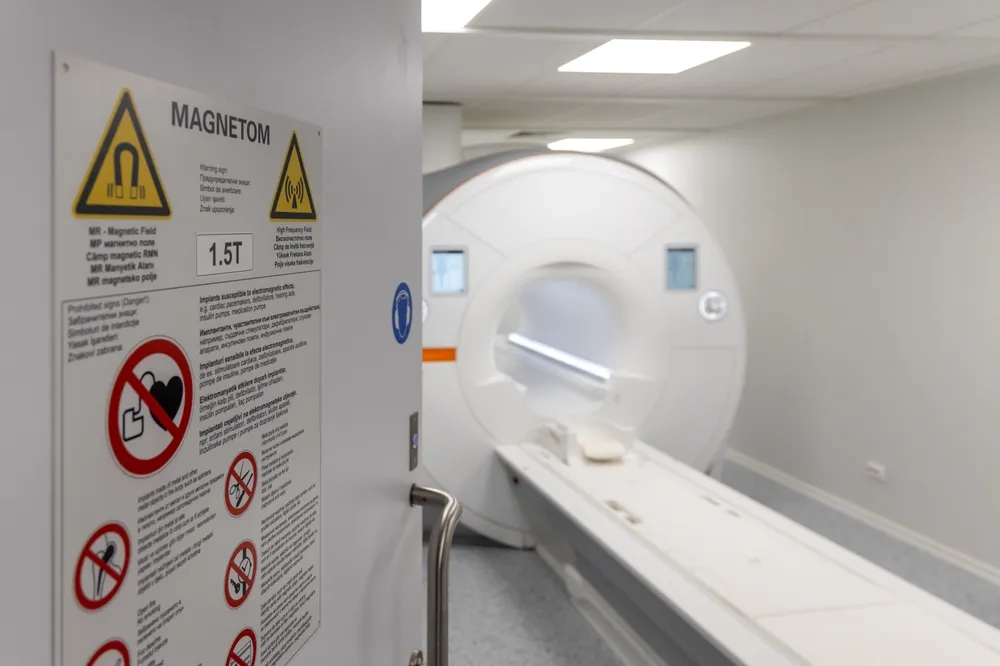

New tests can feel mysterious until someone walks you through them. If an MRI scan is on your calendar, a clear explanation can make the whole experience easier and calmer. This guide breaks down how MRI works in plain language, so you know what’s happening and why it helps.
You’ll see what the machine does, what you’ll hear and feel, and how those sounds turn into images your doctor can use. Keep reading to learn more and walk into your scan with confidence.
The Big Picture: What an MRI Does
Before we go step by step, it helps to know the goal. MRI creates detailed pictures of your organs, soft tissues, and blood vessels without radiation. That clarity comes from powerful magnets and carefully timed radio waves—what many people call MRI imaging technology.
Here’s the MRI machine explained in everyday terms and what each part contributes:
- The large magnet creates a steady magnetic field that aligns the hydrogen atoms in your body. This alignment makes it possible for the scanner to “listen” to how different tissues respond when the magnetic field changes.
- Coils act like antennas, sending and receiving radio signals from specific body areas. Each coil is designed for certain regions, like the head, spine, or joints, ensuring sharper, more focused images.
- Gradient coils fine-tune where the scanner listens, helping map the signals to exact locations. This step enables the transformation of invisible data into precise 3D images.
- The computer system takes all the data, calculates contrast differences between tissues, and reconstructs them into images your radiologist can interpret with accuracy.
Step-by-Step: From Table to Takeaways
This section walks through the MRI scan process from start to finish, so you always know what’s next.
Step 1: Getting Set
First, you’ll change into a gown or wear metal-free clothing. The technologist reviews a quick safety checklist and helps you lie comfortably on the table. They make sure you can speak to them at any time.
Step 2: Precise Positioning
Next, the team positions a lightweight coil near the body part being scanned. This acts like a microphone for signals. You’ll receive ear protection or headphones and can choose your music.
Step 3: Magnetic Alignment
When the scan starts, the magnet aligns tiny particles in the body. You won’t feel this. It simply prepares your tissues to respond to the next step.
Step 4: Radio Wave “Taps”
Short bursts of radio waves nudge those particles. As they settle, they release signals. Different tissues “relax” at different rates, creating contrast in the images.
Step 5: Pinpointing with Gradients
Gradient coils turn on and off in patterns—that’s the tapping or thumping you hear. These patterns tell the system exactly where signals come from, so each pixel lands in the right spot.
Step 6: Image Reconstruction
The computer collects millions of data points and turns them into clear images, slice by slice. Your radiologist reviews these pictures to look for anything that needs attention.
What More Should You Know
Understanding what you’ll experience during the scan helps you feel more comfortable and in control. Here’s what more you should know about the MRI test to feel at ease:
What You’ll Hear and Feel
Knowing the sensations ahead of time takes away a lot of worry. You’ll hear rhythmic knocking or buzzing during each sequence; that’s normal. You’ll feel the table beneath you and some stillness. If you need a pause, speak up—your technologist is watching and listening the entire time.
Timing, Results, and Safety
Most scans take 30–60 minutes, depending on what’s being imaged. You can breathe normally and relax your shoulders and jaw. If a contrast agent is recommended, your care team will explain why and answer questions. MRI doesn’t use ionizing radiation, which is one reason many people choose it for ongoing monitoring.
Practical Tips to Feel Your Best
A few small choices make the appointment smoother. Wear metal-free, comfortable clothing. Skip jewelry and heavy makeup. Eat light, drink water, and arrive a few minutes early to settle in. Tell the team about any implants or prior surgeries—they’ll guide you from there.
Veralux Makes It Simple: Clear Care, Calm Experience
Choosing where to have an MRI is a big decision. At Veralux, you’re met with kind faces, a steady process, and clear explanations. Our team walks you through what the images show and what comes next, at a pace that respects your time and your questions.
We combine advanced imaging with a supportive setting—quiet rooms, thoughtful touches, and clear explanations. If you’re ready for answers without the stress, we’re here to help. Contact us to schedule your scan and take the next step with confidence.
Take Control of Your Health With Clarity You Can TRust
Prevention should be proactive, personal, and clear.
That's why we've created an experience that gives you real insight into your health-sooner.