If you have a medical implant, one question naturally comes up before scheduling a scan: Is MRI safe with implants? MRI uses powerful magnetic fields, and many implants contain metal components. That combination can sound unsettling at first.
The reassuring truth is that many people with implants can safely undergo MRI. However, safety depends on the type of implant, the material it is made from, and how it was designed.
Understanding MRI with implants helps you make informed decisions and move forward with clarity.
Why MRI and Implants Require Special Attention
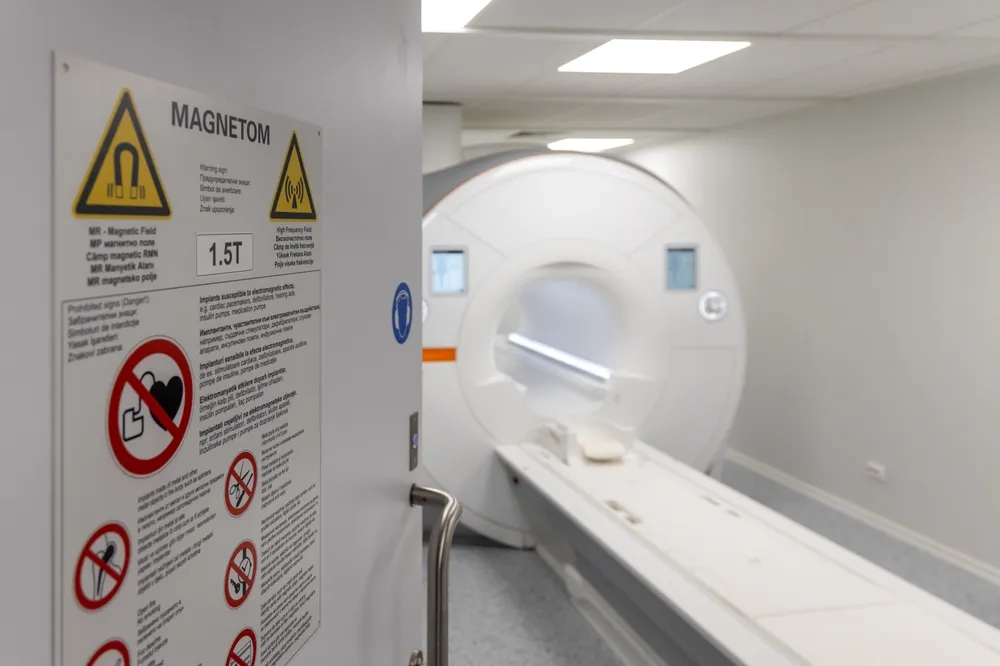
MRI machines use strong magnets and radiofrequency energy to produce detailed images of the body. Unlike CT scans, MRI does not use radiation. But the magnetic field interacts with certain metals. That interaction is why discussions about implants and MRI safety are taken seriously.
Potential concerns include:
- Movement of magnetic components
- Heating of certain metals
- Image distortion near the implant
- Device malfunction in rare cases
This does not mean MRI is automatically unsafe. It means proper screening is essential.
What Types of Implants Are Commonly MRI Safe?
Modern medical devices are often designed with MRI compatibility in mind. Many implants today are labeled as:
- MRI Safe
- MRI Conditional
- MRI Unsafe
An implant marked MRI Safe has been tested and shown to pose no known risk in the MRI environment.
MRI Conditional means it is safe under specific conditions, such as certain magnetic field strengths or positioning guidelines.
Common implants that are frequently MRI compatible include:
- Most orthopedic joint replacements
- Many surgical screws and plates
- Dental implants and fillings
- Certain vascular stents after a healing period
When evaluating MRI metal implants safety, the specific material matters. Titanium, for example, is commonly used in orthopedic implants and is generally non-magnetic. However, every case should be reviewed individually.
Implants That Require Extra Evaluation
Some devices require more careful assessment before imaging.
These may include:
- Pacemakers and defibrillators
- Cochlear implants
- Neurostimulators
- Certain aneurysm clips
- Older vascular clips
- Drug infusion pumps
In the past, many of these devices were considered incompatible with MRI. Today, some newer versions are designed to be MRI conditional. That is why verifying the exact device model is critical when assessing MRI restrictions with implants.
If you have an implanted medical device, you should always inform the imaging center in advance. Providing documentation or an implant card helps confirm compatibility.
Is MRI Safe with Implants in Preventive Imaging?
When patients ask, is MRI safe with implants, they are often concerned about two things: safety and effectiveness.
Safety
With proper screening, many individuals with implants safely undergo MRI every day. Imaging centers follow strict protocols to verify device compatibility, magnetic field limits, and positioning guidelines.
Image Quality
In some cases, metal implants can create image artifacts. These appear as distortion or shadowing near the implant site. For example, a knee replacement may affect imaging of the immediate surrounding tissue. However, it would not interfere with brain or abdominal imaging.
Understanding MRI with implants means recognizing that safety and image clarity are evaluated separately.
MRI Metal Implants Safety and Modern Technology
Advances in MRI technology have significantly improved MRI metal implants safety. Modern scanners use optimized sequences designed to reduce artifacts around metal. AI-enhanced imaging can also improve clarity and streamline acquisition.
In preventive whole-body imaging, these advancements allow physicians to gather meaningful insight even when certain implants are present. The key is communication. Before scheduling your scan, disclose:
- The type of implant
- The date of surgery
- The facility where it was placed
- Any documentation provided
This allows the imaging team to make informed decisions before your appointment.
What Happens During Pre-Scan Screening
Every MRI appointment begins with a detailed screening questionnaire. This is where implants and MRI safety are carefully reviewed.
You may be asked about:
- Surgical history
- Dental work
- Metal fragments or prior injuries
- Implanted devices
- Pregnancy status
If there is uncertainty about an implant’s compatibility, the imaging center may contact your surgeon or device manufacturer for confirmation. This thorough process is designed to eliminate risk before you ever enter the scanner.
When MRI May Not Be Recommended
In rare cases, MRI may not be appropriate. If an implant is classified as MRI unsafe, alternative imaging methods such as CT or ultrasound may be recommended depending on the clinical need.
This is why understanding MRI restrictions with implants is important. It ensures the right imaging choice is made for both safety and clarity.
Fortunately, many modern implants are designed with MRI environments in mind, making preventive imaging accessible to more people than ever before.
Peace of Mind Through Preparation
If you have an implant, it is natural to hesitate before scheduling a scan. But hesitation does not need to lead to avoidance. Most patients with implants can safely complete an MRI when proper screening protocols are followed. The most important step is transparency. Share your medical history. Ask questions. Confirm compatibility.
When safety is thoughtfully addressed, preventive imaging remains a powerful tool for early detection and reassurance.
Want a More Complete Picture of Your Health?
At Veralux Health in Rogers, Arkansas, every patient is carefully screened to ensure MRI with implants is performed safely and confidently. As Northwest Arkansas’ first dedicated whole-body MRI center , the focus is on precision, compassion, and thorough pre-scan evaluation.
If you have questions about MRI metal implants safety or want to confirm whether your device is compatible, our team will guide you step by step before scheduling your scan.
If you are considering preventive imaging and want clarity about your implant status, schedule a consultation today
Take Control of Your Health With Clarity You Can TRust
Prevention should be proactive, personal, and clear.
That's why we've created an experience that gives you real insight into your health-sooner.