Ever scheduled an MRI expecting quick results, only to wait days for them? That lag can feel endless when you’re juggling meetings, workouts, and family plans. The truth is, several moving parts have to line up before a radiologist can give you clear guidance.
In this post, we’ll unpack those parts so you can plan your time—and your peace of mind—more confidently. You’ll learn why a full-body study isn’t as fast as a knee scan, what happens to your images after you leave the magnet, and why consultations rarely happen the same day. By the end, you’ll know exactly how the MRI scan timeline works and how to keep it as short as possible. Ready to turn waiting into understanding? Keep reading.
From Appointment to Answers: Mapping the Process
So, how long does an MRI take? Below is a step-by-step look at what really happens between signing in and sitting down with a specialist. Understanding each stage shows where minutes—and sometimes days—are added or saved:
Step 1: Check-In and Safety Prep
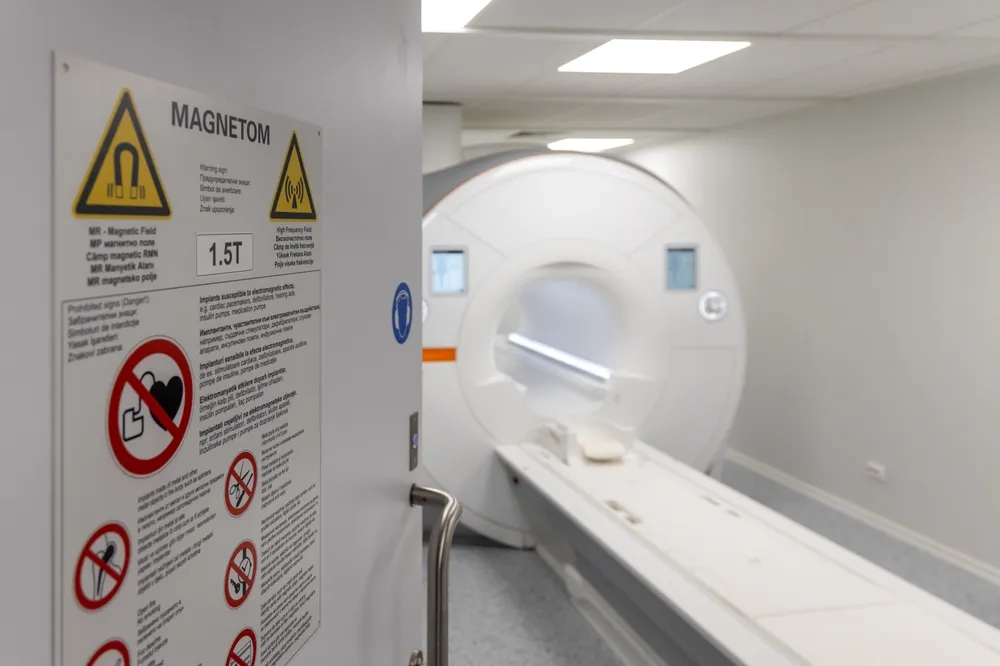
You’ll complete paperwork, swap jewelry for scrubs, and review contraindications with a technologist. Prep takes 10–20 minutes, but it protects you against metal hazards and ensures image clarity.
Step 2: Actual Scan Time
Scan duration depends on the body area and the number of sequences.
- Full-body MRI: 60 minutes
- Head-and-torso: 45 minutes
- Torso-only: 30 minutes
The magnet must collect data slice by slice while you remain still; rushing risks motion blur and repeat scans. Factoring prep and table repositioning, your overall MRI scan timeline is already approaching the one-hour mark for a basic study.
Step 3: Post-Processing and Preliminary Review
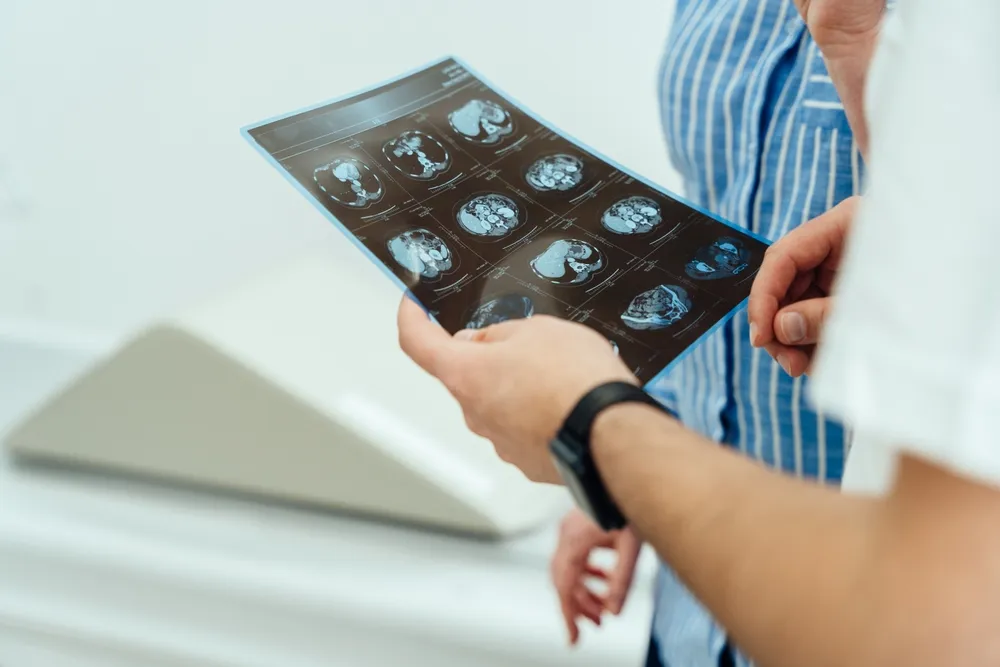
Once you exit the room, powerful software reconstructs raw data into high-resolution images. Smart AI filters noise and enhances contrast, yet radiologists still conduct a frame-by-frame inspection. This behind-the-scenes work is the heart of the MRI results process, adding 24–48 hours for complex studies.
Step 4: Final Read and Personalized Consultation
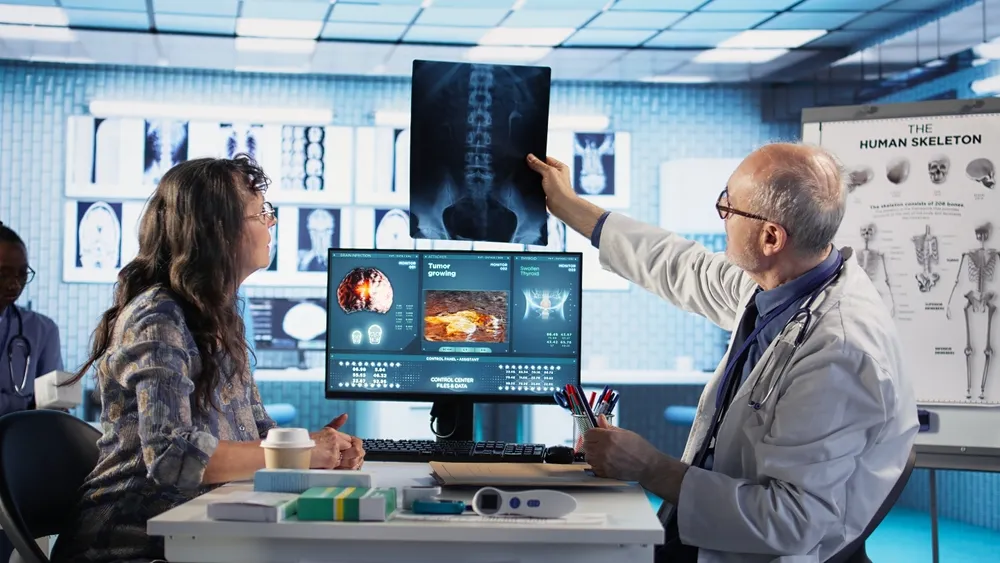
Your radiologist correlates findings with your history, flags urgent issues, and drafts a patient-friendly report. Scheduling the conversation takes another day or two because experts batch cases by subspecialty and block uninterrupted time for you. That dedicated window—typically 30–60 minutes—transforms raw data into a meaningful, actionable MRI consultation after scan.
Why You Can’t Always Get Same-Day Results
A single MRI generates hundreds of images; a full-body scan can exceed 3,000. Quality control requires double reads, peer checks, and, when necessary, correlation with prior studies. Each safeguard adds a checkpoint to the MRI results process, but it raises the accuracy you rely on for preventive decisions. Insurance or HSA paperwork can also introduce a short administrative queue.
Tips to Shorten Your Wait
- Arrive early and complete digital forms beforehand.
- Opt for a clinic that leverages AI-assisted protocols and on-site radiologists.
- Schedule morning slots; earlier scans enter the reading list first.
- Provide previous imaging so comparisons don’t have to be requested later.
Swift Clarity With Veralux Health in Rogers, AR
At Veralux Health, we believe every minute between suspicion and certainty matters. We’ve built a workflow that balances speed with precision—AI-enhanced sequences, same-week reads, and flexible evening appointments make proactive imaging fit your life.
Because we’re a physician-owned MRI clinic, our professional team sits steps from the scanner, ready to review studies the moment they’re captured. That proximity lets us deliver full-body results within a week and schedule your one-on-one MRI consultation after the scan without the traditional shuffle. If you’re ready to replace anxious waiting with informed action, we’d love to guide you. Schedule your MRI scan today.
Take Control of Your Health With Clarity You Can TRust
Prevention should be proactive, personal, and clear.
That's why we've created an experience that gives you real insight into your health-sooner.