
When it comes to cancer screening, few tools are as powerful (or as misunderstood) as an MRI scan. Some people worry it’s unsafe or confusing, while others assume it’s only for patients who already have symptoms. These misunderstandings can stop people from exploring one of the most advanced imaging tools available today.
This article separates MRI cancer detection myths from facts in simple, straightforward terms. By understanding MRI facts vs myths, you can make more informed choices about your health and see why preventive MRI scans are changing the way early detection works. Keep reading to uncover the real story behind MRI and cancer prevention.
Myth 1: MRI Uses Radiation Like X-Rays or CT Scans
One of the most common MRI misconceptions is that it involves radiation exposure. Many people assume that since MRIs produce detailed images, they must rely on the same kind of radiation used in X-rays or CT scans.
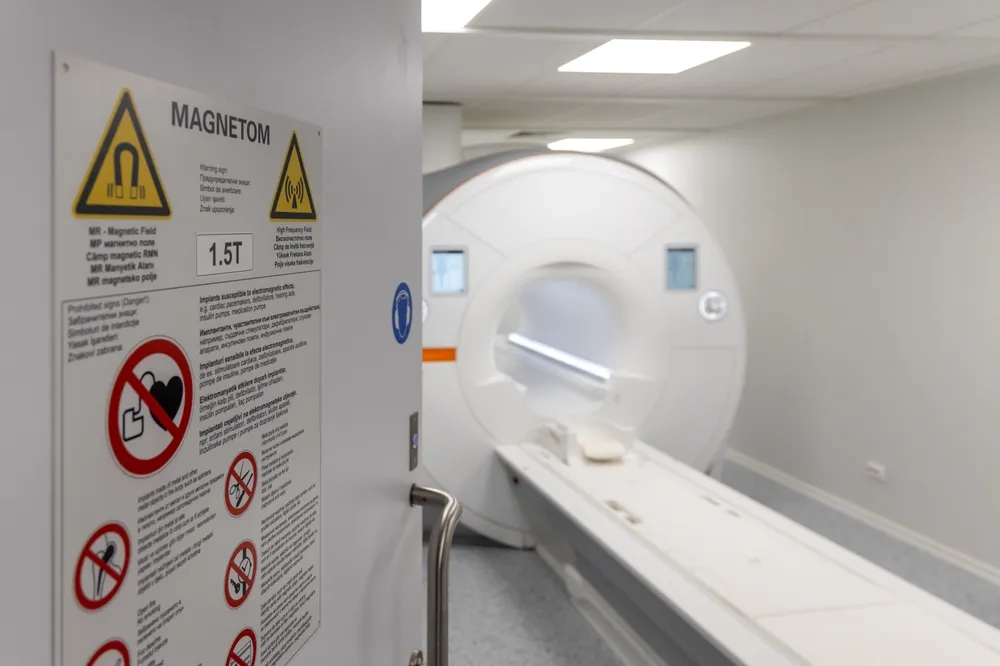
Reality: The truth is, MRI technology uses magnets and radio waves—never ionizing radiation. This makes it one of the safest imaging methods available for long-term health monitoring.
Myth 2: MRI Scans Are Only for People with Symptoms
Many believe MRI is only used after a doctor suspects something is wrong. Some even think it’s only ordered when other tests fail, rather than as a proactive step for prevention or early detection.
Reality: Preventive MRI scans allow doctors to identify changes in tissue, organ structure, or blood flow early on. They help detect tumors, aneurysms, and other silent conditions long before they progress, improving outcomes through early intervention.
Myth 3: MRI Can’t Detect Cancer Accurately
Another common misunderstanding is that MRI isn’t precise enough for cancer detection. Some people think the images are too general to show early-stage cancers or subtle changes in soft tissues.
Reality: The truth? When it comes to MRI cancer screening accuracy, the results speak for themselves. MRI can identify tumors as small as a few millimeters (cancer as early as stage 1), often spotting abnormalities that traditional imaging might miss. It’s one of the most effective non-invasive tools for early cancer detection.
Myth 4: MRI Scans Are Painful or Uncomfortable
Some people avoid MRIs because they think the experience will be difficult or painful. The idea of lying still in a scanner can sound intimidating, especially if they’ve heard about tight spaces or loud noises.
Reality: In truth, the process is completely painless. During a scan, you’ll lie still on a padded table while the machine captures images. You’ll hear rhythmic tapping sounds, but you’ll also have ear protection or music to make the experience more relaxing. The scan is safe and entirely non-invasive.
Myth 5: MRI Is Too Expensive to Be Preventive
Some people think MRI scans are only for those with large medical budgets. They often compare it to X-rays or other low-cost tests, assuming the higher price means it’s not a realistic option for preventive care.
Reality: While a preventive MRI is a bigger investment than an X-ray, it delivers far greater insight—offering detailed views of broad parts of your body and the chance to catch conditions early, when they’re easiest to treat. Many return annually or every two years as part of their preventive health routine, especially if they have a family history of disease. This means you have time to plan and budget for this proactive step as part of your long-term health routine.
Understanding the Truth About MRI with Veralux
Preventive care shouldn’t feel complicated; it should feel empowering. That’s why at Veralux, we’re redefining what preventive care feels like. We bring you advanced MRI technology combined with a calm, supportive setting where every scan is about clarity. From the moment you schedule to the moment you receive your results, we make sure you’re informed, comfortable, and cared for.
Reach out today to book your scan and experience how prevention feels when it’s done with intention and care.
Take Control of Your Health With Clarity You Can TRust
Prevention should be proactive, personal, and clear.
That's why we've created an experience that gives you real insight into your health-sooner.