For some people, the thought of an MRI brings one immediate concern: space. The machine can look narrow. The idea of lying still inside it may feel overwhelming. If you’ve ever experienced anxiety in tight spaces, you’re not alone. Claustrophobia during MRI is one of the most common worries patients share.
The good news is this: there are ways to make the experience manageable, and often surprisingly calm. With the right preparation and environment, even patients with significant anxiety can complete their scan comfortably.
If you’re navigating claustrophobia and MRI, here’s what to know.
Why Claustrophobia During MRI Happens
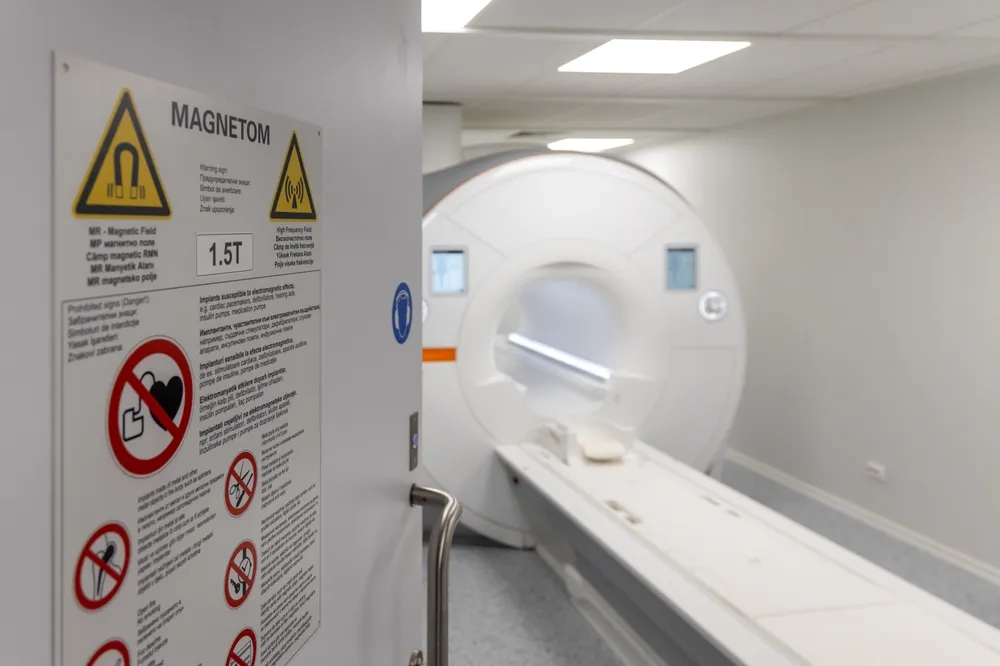
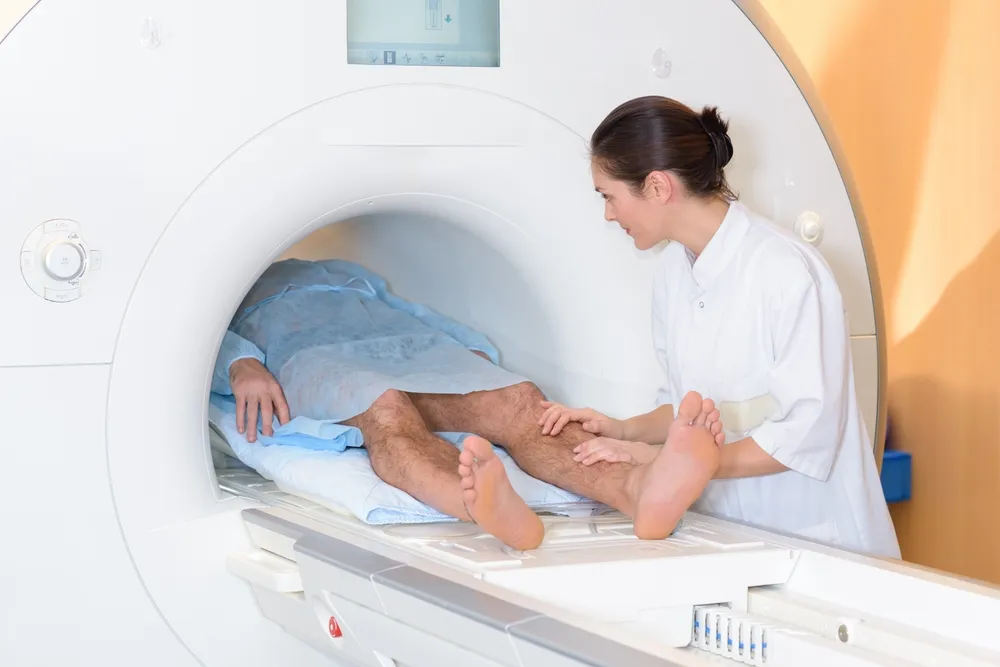
An MRI machine uses a powerful magnet to capture detailed images. In most traditional systems, you lie on a table that gently slides into a cylindrical opening.
For someone sensitive to confined spaces, this setup can trigger:
- A feeling of loss of control
- Heightened awareness of surroundings
- Increased heart rate
- Shortness of breath
- Urge to move or exit the scanner
It’s important to understand that this response is not weakness. It’s physiological. The brain interprets confined space as a threat, even when you logically know you’re safe. Recognizing this is the first step in learning how to get through an MRI with claustrophobia.
How to Get Through an MRI with Claustrophobia
Preparation and support can make a significant difference. Here are proven strategies that help many patients successfully complete their scan.
1. Communicate Your Concerns Early
Let the imaging center know ahead of time that you experience anxiety. When staff understand your concerns, they can plan accordingly. Clear communication reduces uncertainty, which is often what fuels anxiety most.
2. Choose the Right Environment
The atmosphere surrounding your scan matters more than many realize. A calm, thoughtfully designed setting can lower stress before you ever enter the scanner. Soft lighting, reassuring staff, clear explanations, and a steady pace all contribute to a sense of safety.
When considering claustrophobia during MRI, the human experience surrounding the machine often makes the biggest difference.
3. Use Controlled Breathing Techniques
Deep, steady breathing activates the parasympathetic nervous system, the body’s natural calming response.
Try this simple rhythm:
- Inhale slowly for four seconds
- Hold for four seconds
- Exhale for six seconds
Focusing on breath gives your mind something structured to hold onto.
4. Listen to Music or Guided Audio
Many MRI centers allow music, podcasts, or guided relaxation audio during the scan. Redirecting attention away from the physical space helps reduce sensory focus on confinement.
5. Keep Your Eyes Closed
For some patients, simply closing their eyes before the table moves into position prevents the visual trigger of enclosure.
6. Ask About Mild Sedation
In certain cases, physicians may prescribe mild anti-anxiety medication prior to the scan. This is not always necessary, but it can be helpful for severe cases. Discuss this option in advance if anxiety feels overwhelming.
Claustrophobic Patients on Open MRI: Is It Better?
One option often discussed is open MRI. Many claustrophobic patients on open MRI report feeling more comfortable due to the open-sided design. The machine may have space on the sides or a less enclosed structure.
However, it’s important to weigh comfort alongside image clarity. Some open MRI systems operate at lower magnetic field strengths compared to traditional closed systems. Depending on the clinical purpose, this can affect resolution.
When evaluating imaging for preventive purposes—especially for early detection—image detail can matter significantly. Early-stage abnormalities are often small and require high-resolution imaging to detect clearly . The right choice depends on both your emotional comfort and the medical objective of the scan.
Alternatives to MRI for Claustrophobic Patients
If anxiety feels unmanageable, you may wonder about alternatives to MRI for claustrophobic patients.
Some potential alternatives include:
- CT scans
- Ultrasound
- X-rays
However, each modality has limitations. CT scans involve radiation exposure. Ultrasound cannot evaluate deep structures with the same level of detail. X-rays provide limited soft tissue visualization.
MRI remains the gold standard for detailed soft tissue and organ imaging, especially in preventive settings. When possible, modifying the environment and approach to complete an MRI often provides the most comprehensive information.
Reframing Claustrophobia and MRI
It can help to shift perspective.
An MRI is temporary. Most preventive scans range from 30 to 60 minutes. You are monitored the entire time. You can communicate with the technologist. You are never alone.
Many patients who initially worry about claustrophobia and MRI are surprised afterward by how manageable the experience felt, especially in settings designed to reduce stress. Preparation, communication, and compassionate care significantly change the experience.
Prevention Should Feel Empowering—Not Overwhelming
Preventative imaging is designed to bring clarity. It allows conditions such as tumors, aneurysms, and structural abnormalities to be identified at earlier stages, when outcomes are typically stronger .But prevention should not come at the cost of emotional distress. The most supportive imaging environments understand that anxiety is real, and they build processes around reducing it.
A Calm Approach to Imaging
If you’ve delayed a scan because of fear, know this: there are solutions.
At Veralux Health in Rogers, Arkansas, preventive MRI is delivered in a concierge-style environment designed specifically to ease anxiety. From soft robes to personalized guidance and entertainment during the scan, every detail is built around reassurance. As Northwest Arkansas’ first dedicated whole-body MRI center , the focus is on early detection with clarity and compassion.
Each scan includes time with a board-certified radiologist who walks you through your results in simple, understandable language, so you leave informed, not unsettled.
If claustrophobia has been holding you back, we’re here to help you move forward with confidence.
Take Control of Your Health With Clarity You Can TRust
Prevention should be proactive, personal, and clear.
That's why we've created an experience that gives you real insight into your health-sooner.