If you’ve been told you need an MRI, or you’re exploring one for preventive reasons, you may have noticed there’s more than one type of machine. Some centers offer open MRI systems. Others use traditional, closed MRI scanners. Naturally, questions follow. What is the difference between open and closed MRI? Is open MRI more comfortable? And most importantly, is open MRI as accurate as closed MRI?
Understanding the distinctions helps you make confident, informed decisions.
What Is the Difference Between Open and Closed MRI?
At a basic level, the difference comes down to structure and magnet strength.
Closed MRI (Traditional MRI)
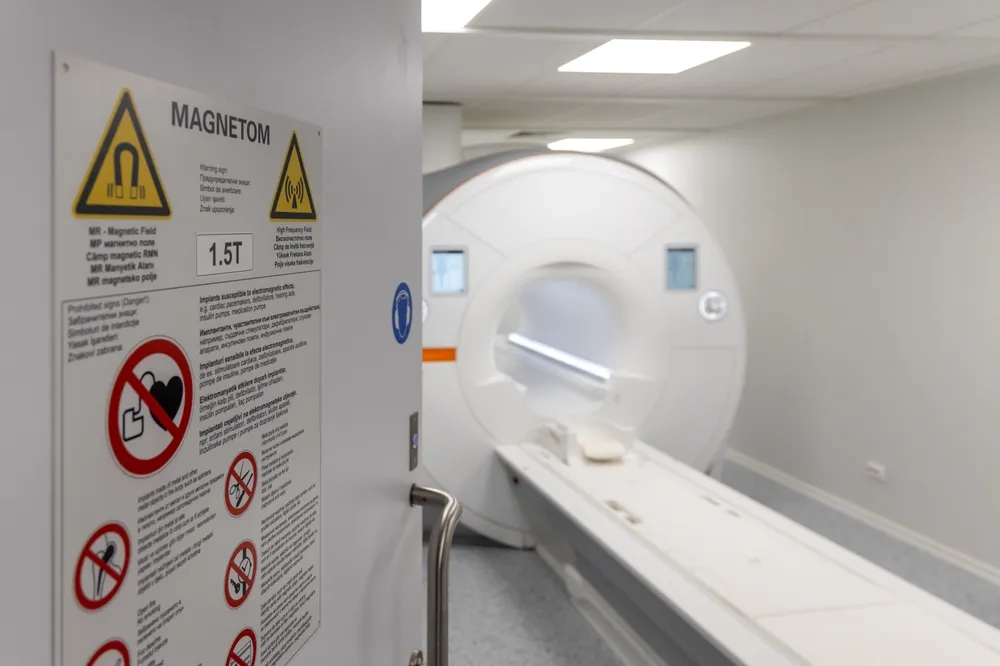
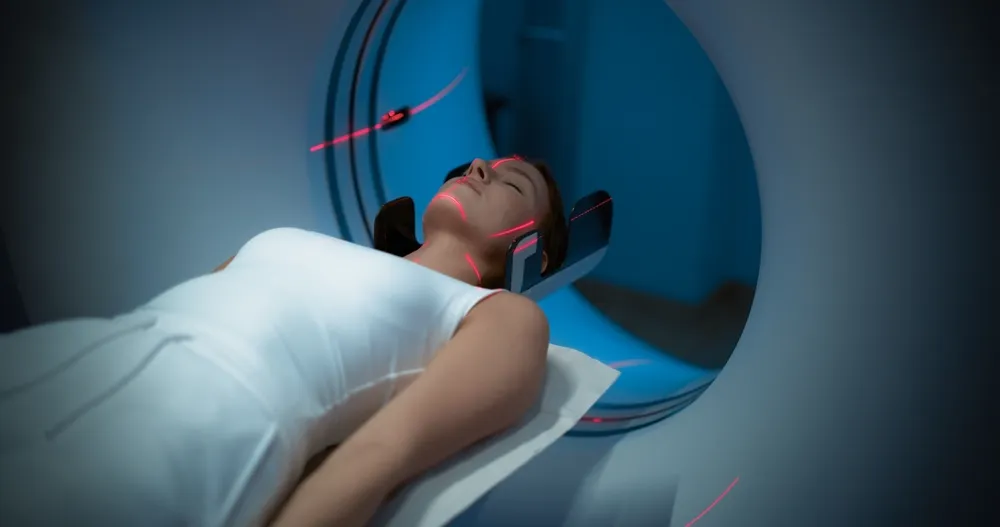
A closed MRI, often called a traditional MRI, uses a cylindrical tube surrounded by a powerful magnet. You lie on a table that gently slides into the center of the machine while images are captured. This design allows for:
- Higher magnetic field strength
- More detailed imaging
- Greater consistency in image clarity
When people compare open MRI vs traditional MRI, this is typically what they mean by “traditional”—a closed, high-field system designed for maximum image resolution.
Open MRI
An open MRI machine has a more open structure, often with two flat magnets positioned above and below you, or with open sides. This design can feel less confined and may be helpful for:
- Patients with claustrophobia
- Larger body types
- Individuals who struggle with enclosed spaces
When evaluating the open MRI pros and cons, comfort is often the most cited benefit. However, technology differences also matter.
Open MRI Pros and Cons
Let’s look more closely at the advantages and trade-offs.
Pros of Open MRI
- More spacious design
- Reduced sense of confinement
- Potentially better for patients with anxiety
- Accommodates certain body types more easily
For some patients, the emotional comfort of an open machine can make the experience more manageable.
Cons of Open MRI
The primary concern often centers around image clarity. Open MRI systems typically operate at lower magnetic field strengths compared to closed systems. While technology continues to improve, lower field strength can affect image resolution in certain cases. This leads to a common and important question: is open MRI as accurate as closed MRI?
The answer depends on the type of scan and what your provider is evaluating. For complex imaging, especially when looking for very small abnormalities, higher-field closed MRI systems generally provide superior detail.
Closed MRI Accuracy: Why It Matters
When clarity is critical, image precision becomes essential. High-field closed MRI systems produce sharper, more detailed images of:
- Soft tissues
- Blood vessels
- Small tumors
- Early structural changes
- Neurological structures
This level of detail directly impacts closed MRI accuracy, particularly for early detection. In preventive imaging, the goal is often to detect abnormalities at their smallest and most treatable stage. In those cases, image quality is not just a technical detail, it shapes outcomes.
In fact, early-stage detection dramatically improves survival rates for many cancers . When evaluating preventative scans, precision matters.
Open MRI vs Closed MRI for Preventive Imaging
When considering open MRI vs closed MRI in a preventive setting, it’s helpful to ask:
- Is the goal reassurance, or diagnostic depth?
- Are you screening for subtle, early-stage findings?
- Do you need maximum anatomical detail?
Preventative whole-body MRI often requires comprehensive imaging across multiple organs and systems. Higher magnetic field strength supports clearer visualization of small abnormalities that may not yet cause symptoms.
For patients concerned about comfort in a closed MRI, many modern centers design environments that reduce anxiety through thoughtful details, calm spaces, guided support, music or entertainment options, and clear communication throughout the process.
Is Open MRI as Accurate as Closed MRI?
This is one of the most frequently asked questions. While open MRI technology has improved significantly, high-field closed MRI systems remain the gold standard for detailed imaging in many preventive and diagnostic contexts.
In general:
- Closed MRI systems provide higher resolution.
- Open MRI systems prioritize comfort but may have lower field strength.
That does not mean open MRI lacks value. It simply means the type of MRI should match the clinical goal. When early detection is the objective, especially in whole-body preventive scans, clarity often takes priority.
Choosing the Right MRI for You
Your decision should balance two important factors:
- Image precision
- Personal comfort
If anxiety about enclosed spaces is your primary concern, speak openly with your imaging provider. Many centers using closed MRI machines offer strategies to make the experience more comfortable, including guided communication and calming amenities.
If your goal is early detection, comprehensive insight, or establishing a baseline for long-term health, image quality may be the most important consideration. Understanding the difference between open and closed MRI allows you to weigh these factors thoughtfully.
A Clearer Approach to Preventive Imaging
When exploring open MRI vs closed MRI, it’s ultimately about confidence, in both your experience and your results. At Veralux Health in Rogers, Arkansas, preventive imaging is performed using advanced, AI-enhanced MRI technology designed to deliver high-resolution clarity without radiation. As Northwest Arkansas’ first dedicated whole-body MRI center , the focus is on early detection, precision, and compassionate care.
Every scan includes a consultation with a board-certified radiologist, ensuring you leave with context, understanding, and a clear path forward. The environment is intentionally designed to reduce anxiety, because how you receive answers matters as much as the answers themselves. If you’re considering preventive imaging and want clarity you can trust, we’re here to guide you.
Take Control of Your Health With Clarity You Can TRust
Prevention should be proactive, personal, and clear.
That's why we've created an experience that gives you real insight into your health-sooner.