Heart disease remains one of the leading causes of death in the United States. Yet many forms of cardiovascular disease develop gradually, often without obvious symptoms in the early stages. You may feel well. Your routine labs may look normal. Your annual physical may not raise concerns. Still, structural or vascular changes can be developing quietly.
This is where Cardiac MRI and vascular imaging become part of a proactive conversation. Advanced imaging allows physicians to evaluate the structure and function of the heart and surrounding vessels in ways that go beyond basic screenings.
Understanding what a heart MRI can detect helps clarify how preventative imaging supports long-term cardiovascular health.
Why Early Detection Matters in Heart Disease
Heart disease often progresses silently. Plaque can build inside arteries over years. The heart muscle can begin to weaken subtly. Small vascular abnormalities may exist long before symptoms such as chest pain or shortness of breath appear.
When cardiovascular disease is identified early, intervention is often simpler and more effective. As with many serious conditions, outcomes improve significantly when issues are addressed before complications occur .
A heart disease early detection MRI focuses on identifying structural and functional changes before they lead to emergency situations.
What Is a Heart MRI?
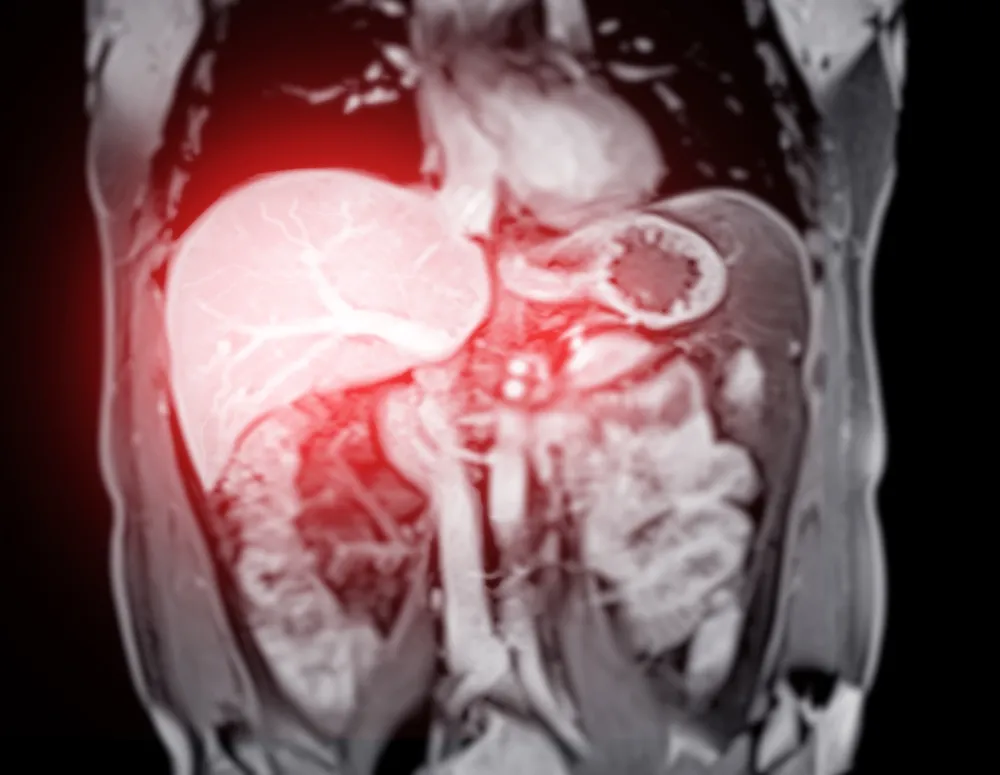
A heart MRI, also known as a cardiovascular MRI scan, uses powerful magnetic fields to create detailed images of the heart muscle, chambers, valves, and major blood vessels.
Unlike CT scans, MRI does not use radiation. Instead, it produces high-resolution images that allow for precise evaluation of:
- Heart muscle thickness and function
- Blood flow patterns
- Scar tissue from prior silent heart injury
- Inflammation
- Structural abnormalities
- Aortic and major vessel conditions
When discussing cardiac imaging, MRI stands out for its ability to assess both structure and function in a single examination.
What Cardiac MRI and Vascular Imaging Can Detect
Advanced Cardiac MRI and vascular imaging provide a comprehensive look at the heart and surrounding vessels. Preventative evaluation may identify:
Early Cardiomyopathy
Changes in the heart muscle can occur before noticeable symptoms. MRI can measure heart chamber size and pumping strength with precision, identifying subtle weakening early.
Silent Prior Heart Injury
Some individuals experience small, unnoticed heart attacks. A cardiovascular MRI scan can detect scar tissue that would otherwise remain hidden.
Inflammatory Conditions
Myocarditis and other inflammatory heart conditions can sometimes be visualized clearly through cardiac imaging, even in early stages.
Structural Abnormalities
Congenital variations, valve issues, and enlargement of the aorta can be evaluated through a detailed heart MRI.
Vascular Changes
MRI can assess major blood vessels for aneurysms or abnormal dilation. Brain aneurysms and vascular risks are also part of broader preventive imaging conversations .
Early identification of vascular issues can allow for monitoring rather than emergency intervention.
Heart Disease Early Detection MRI vs Routine Screening
Routine cardiovascular screenings often include:
- Blood pressure measurement
- Cholesterol panels
- Electrocardiograms
- Stress testing when indicated
These tools remain essential. However, they primarily measure function and risk markers.
A heart disease early detection MRI evaluates structural and tissue-level detail that cannot be seen on routine lab work alone. For individuals with family history, elevated risk factors, or a desire for deeper clarity, advanced cardiac imaging adds another layer of insight. It complements primary care rather than replacing it.
MRI Heart Screening Benefits
Understanding MRI heart screening benefits helps clarify why some patients include imaging in their wellness plans.
Radiation-Free Imaging
MRI uses magnetic fields rather than ionizing radiation, making it suitable for repeat evaluations when appropriate.
High-Resolution Detail
The precision of a cardiovascular MRI scan allows detection of subtle abnormalities that may not appear on other tests.
Functional and Structural Insight
MRI assesses both how the heart looks and how it performs, offering a comprehensive evaluation in a single scan.
Early Reassurance or Intervention
In many cases, results provide reassurance that the heart appears healthy. In other cases, early findings allow for careful monitoring and collaboration with a cardiologist before symptoms arise.
Early detection changes the trajectory of care. Across many serious conditions, stage at diagnosis is one of the most important predictors of outcome .
Who Might Consider a Preventative Heart MRI
A heart MRI may be worth discussing if you:
- Have a family history of heart disease or aneurysm
- Have elevated cardiovascular risk factors
- Experience unexplained fatigue or mild symptoms
- Want a deeper structural assessment as part of a preventive health plan
- Are focused on longevity and proactive wellness
For health-conscious individuals, Cardiac MRI and vascular imaging provide structural data that lifestyle metrics alone cannot capture.
Thinking About Advanced Imaging? Here’s Your Next Step
Heart disease often develops over years. By the time symptoms appear, significant structural changes may already be present. A heart disease early detection MRI offers an opportunity to identify concerns earlier. A cardiovascular MRI scan provides high-resolution insight into heart muscle health, blood flow, and vascular structure.
At Veralux Health in Rogers, Arkansas, we offer advanced imaging in a calm, patient-centered environment focused on clarity and compassion. If you are considering preventative cardiac imaging as part of your long-term wellness plan, schedule your scan today:
Take Control of Your Health With Clarity You Can TRust
Prevention should be proactive, personal, and clear.
That's why we've created an experience that gives you real insight into your health-sooner.