When it comes to protecting your health, knowledge is power. That’s why many people today are exploring new ways to take charge of prevention instead of waiting for symptoms to appear. One of the most talked-about topics is the comparison between preventive MRI vs traditional cancer screening, a debate that’s changing how we think about early detection.
Understanding the difference between these two approaches can help you choose the one that fits your health goals best. Keep reading to learn how modern imaging is changing prevention and helping people take charge of their well-being.
How Preventive MRI and Traditional Cancer Screening Differ
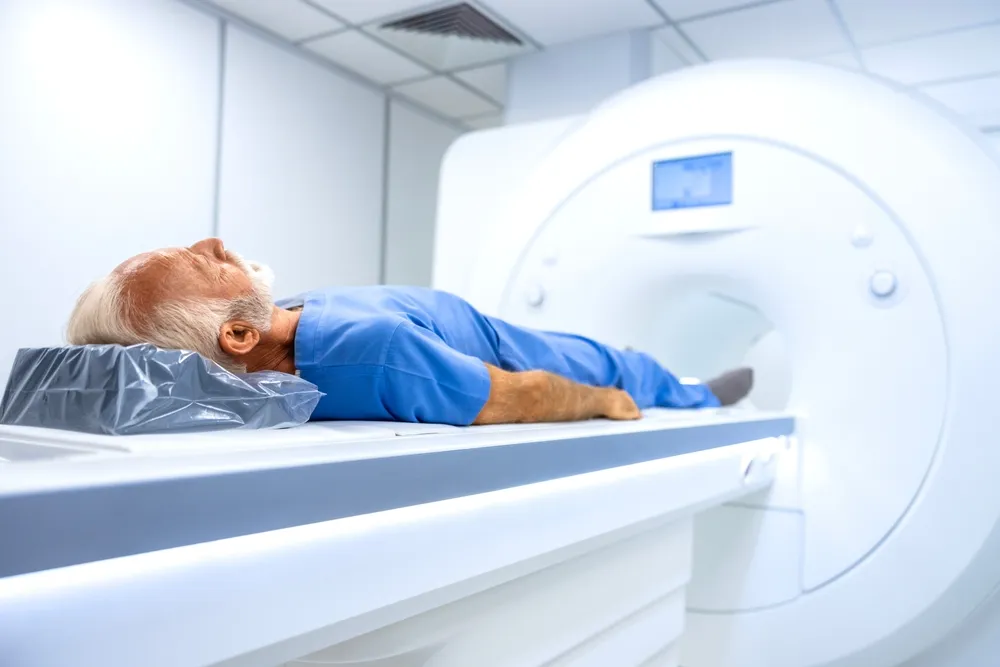
Both approaches aim for the same goal: finding problems early. But the way they do it is very different. Traditional screenings like mammograms, colonoscopies, or CT scans typically focus on one area or organ at a time. In contrast, MRI cancer screening scans your entire body in a single session. It provides a broader view, showing soft tissue, vessels, and organs in detail, without the use of radiation.
This level of insight enables the detection of even subtle changes at an early stage. It’s not about replacing traditional screenings, but about expanding the tools available for better prevention.
Why MRI Plays a Key Role in Early Detection
Early diagnosis saves lives. That’s something both doctors and patients agree on. What makes MRI unique among early cancer detection methods is its ability to find small abnormalities that other screenings might miss. Because MRI uses magnetic fields and radio waves instead of radiation, it’s safe for repeat monitoring and long-term prevention. It’s especially helpful for people with a family history of cancer or those who want a comprehensive view of their health—not just one test at a time.
Understanding Common Traditional Cancer Screenings
Traditional screenings are essential tools for detecting specific types of cancer. Each one focuses on a particular part of the body and plays a vital role in early diagnosis. Here are a few of the most common types and how they compare to modern MRI technology:
Mammograms
A mammogram is an X-ray of the breast used to detect lumps or tissue changes that may indicate breast cancer. It’s one of the most common screening tools for women and can identify cancer before it’s felt or seen. However, mammograms focus only on breast tissue and use a small amount of radiation during imaging.
Colonoscopy
A colonoscopy examines the inside of the colon and rectum using a flexible tube with a camera. It’s effective at identifying precancerous polyps and early signs of colorectal cancer. While it’s a powerful tool for prevention, it requires preparation and sedation, which some people find uncomfortable or invasive.
CT Scans
Many people wonder about the differences between MRI vs CT scans for cancer detection and which option provides more clarity. Both create internal images, but they work differently. CT scans use radiation and are excellent for bones or urgent injuries. MRI scans, on the other hand, utilize magnets and radio waves to produce highly detailed images of soft tissues, organs, and potential tumors, without exposing the patient to radiation.
Preventive Care, Redefined by Veralux
At Veralux, prevention isn’t a reaction but a mindset. Every scan is designed to bring clarity, not anxiety. From your first consultation to the moment your results are explained, you’re guided with care and understanding. Our clinic features modern MRI machines that provide advanced imaging to help detect potential concerns early, enabling you to make informed decisions about your health.
With AI-enhanced technology, comfortable scan suites, and detailed follow-ups, Veralux makes prevention feel natural, calm, and accessible. Contact us today to schedule your scan and experience what modern, proactive care can feel like.
Take Control of Your Health With Clarity You Can TRust
Prevention should be proactive, personal, and clear.
That's why we've created an experience that gives you real insight into your health-sooner.