Your body works hard for you every day. Training, building a career, raising a family, keeping up with everything on your plate—it all depends on your health! When you don’t have clear information about what’s happening inside, it’s easy to feel like you’re guessing. That’s where MRI can help, moving you from “I hope I’m okay” to “I know where I stand.”
Two options tend to stand out: a full-body MRI and a targeted MRI focused on one area. Both can provide powerful insights, but they support different goals. Choosing between them doesn’t need to feel confusing. Keep reading to learn how each option works, what they show you, and how to decide what fits your health goals right now.
How MRI Supports Your Long-Term Health
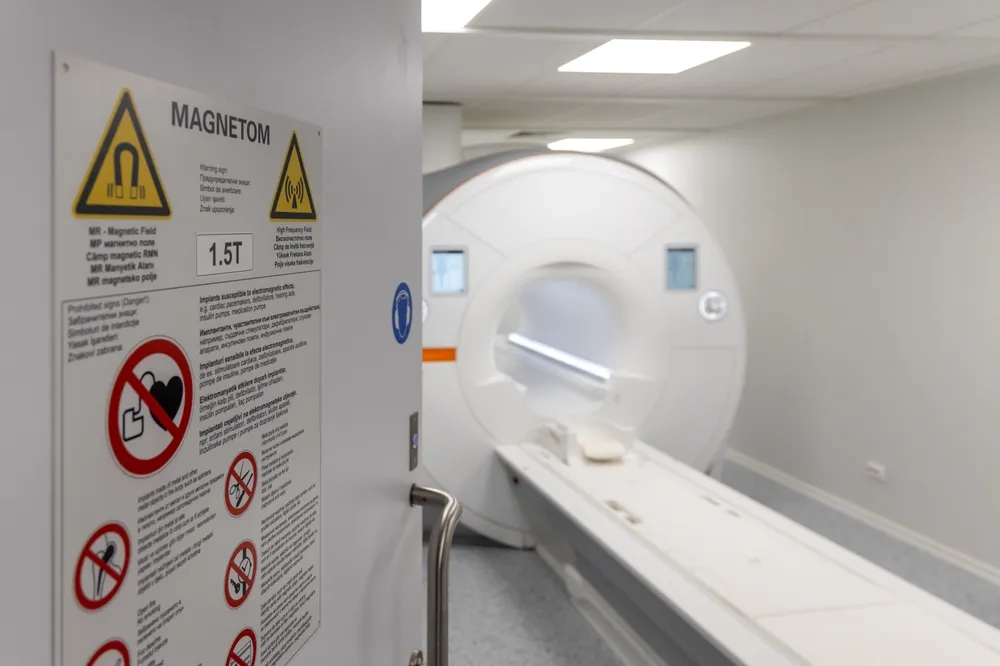
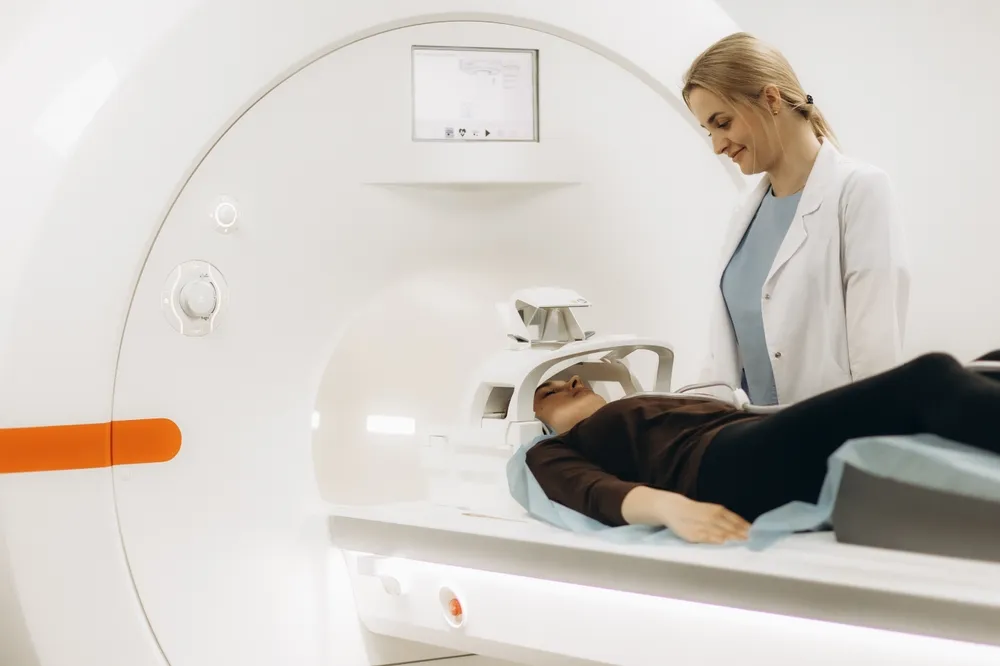
MRI uses magnets and radio waves to create detailed images of your body without radiation. It gives you a clear view of soft tissues, organs, blood vessels, and more. When you use MRI as part of a full-body scan for your health, you get information that bloodwork and basic checkups may not reveal.
For someone who cares about longevity and performance, MRI works like a deep scan of your internal “dashboard.” It helps you track what’s going well and catch potential issues before they grow. That kind of clarity can change the way you plan your training, your routine, and even your future.
Whole-Body MRI: When You Want the Full Story
Whole-body MRI takes a big-picture look at your health. It doesn’t just focus on one joint or organ. It helps you see how everything fits together. A full-body MRI typically covers your head, spine, chest, abdomen, pelvis, and often down to mid-thigh. It checks your brain, major organs, blood vessels, and soft tissues in one continuous study.
You’re not chasing separate appointments or piecing together reports from different areas. You get one scan that shows how your body looks today.
Why People Choose a Full-Body View
Many people choose a full-body scan for their health when they want a baseline. You might feel fine, but still want to know if anything needs attention. A whole-body MRI can reveal early signs of cancerous or non-cancerous tumors, as well as early-stage cancers such as stage 1 kidney or liver tumors. It can also detect signs of spinal disease, including disc degeneration or spinal canal narrowing, and inflammation in multiple areas, including joints, organs, and soft tissues. This kind of insight helps you and your care team map out follow-ups, lifestyle adjustments, or future screenings with a calm, proactive mindset.
When a Whole-Body MRI Makes Sense
This option often fits when you want prevention to be part of your long-term plan. You might choose it if you have a family history of cancers in different areas (such as brain and liver), if you’ve dealt with issues in more than one system—like past neurological symptoms along with lower-back problems, or if you simply want a wide view that includes your spine, organs, vessels, and soft tissues in the same session. A whole-body MRI gives you one clear snapshot of your overall health, helping you make choices with confidence instead of guessing what might be going on in different parts of your body.
Targeted MRI: When You Need a Closer Look
Targeted MRI focuses on one specific area. It works best when you or your doctor already have a question about a particular region. You might choose a head scan to look closely at your brain or sinuses, or a torso scan to review organs like your liver, kidneys, or pancreas. Each exam concentrates all of its detail on that one zone, giving you precise answers when you already have symptoms, an unusual test result, or a concern that needs closer review.
Why a Focused Scan Can Be Helpful
A targeted MRI can support clear decisions about treatment or next steps. If you deal with ongoing knee pain after a past ligament tear, lingering back pain from an old disc injury, or shoulder pain that’s never fully healed, this kind of scan shows what’s happening beneath the surface. It can also help when you’re tracking a known condition—like checking for inflammation in a joint, monitoring a repaired tendon, or evaluating nerve compression. It doesn’t cover your whole body, but it gives detailed insight exactly where you need it most.
When a Targeted MRI Fits Best
This path can make sense if you and your doctor already know where to look. You might choose a head scan if you need a closer look at your brain because of a past aneurysm, recurring neurological symptoms, or a family history of serious brain conditions. Each exam concentrates all of its details on one area, giving you clear answers when you already have symptoms, an unusual test result, or a concern that needs careful review.
How to Decide Which Scan You Need
Both options support better health decisions, but they serve different purposes. Whole-body MRI works like a wide lens: you see patterns and early changes across your whole body. Targeted MRI acts like a zoom lens: you get detailed images in one spot that you and your doctor know is an area of concern.
Your choice depends on your goals. If you want to establish a baseline, support long-term prevention, or understand your overall risk, a full-body MRI study may be the best option for you. If you already have symptoms or a known issue, a targeted scan can give the details you need to decide what comes next.
Get Your MRI Scan Explained with Veralux
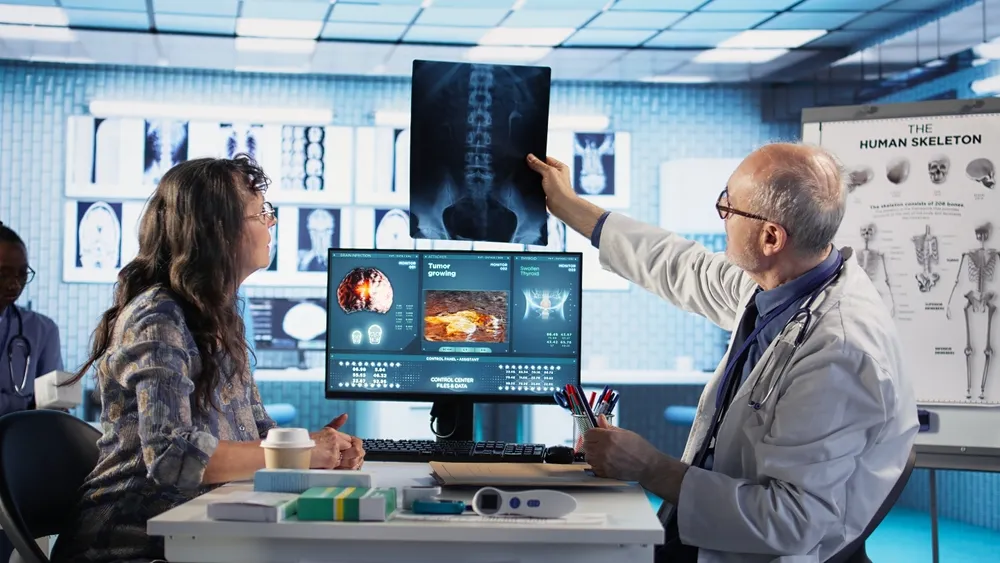
When you’re tired of guessing about your health, you deserve a place that helps you feel informed and supported. At Veralux in Rogers, AR, you get care that puts you at ease from the moment you walk in. You change into soft scrubs, settle into a calm space, and work with a team that explains every step in clear, simple terms.
After your scan, you meet with a board-certified provider who walks you through your images, answers your questions, and gives you a plan you can actually use. If you’re ready to choose between a whole-body scan or a targeted exam—and want a team that supports you through that decision—reach out to Veralux today and contact us to get started.
Take Control of Your Health With Clarity You Can TRust
Prevention should be proactive, personal, and clear.
That's why we've created an experience that gives you real insight into your health-sooner.