
Health concerns are not something you can pause, even when life feels full. When your doctor talks about an MRI, or you’re considering one on your own, your first thought often isn’t the scanner—it’s the cost. You want to protect your health, but you also want to protect your finances. That’s a very real tension, and it’s normal to feel unsure about how insurance fits into the picture.
So, does insurance cover an MRI? The honest answer is “it depends”—on why you need it, where you go, and what kind of plan you have. The good news is that you can understand your options and go into this choice with your eyes open. Keep reading to learn how MRI insurance coverage usually works in Arkansas and what you can do to plan ahead with confidence.
How MRI and Insurance Usually Work
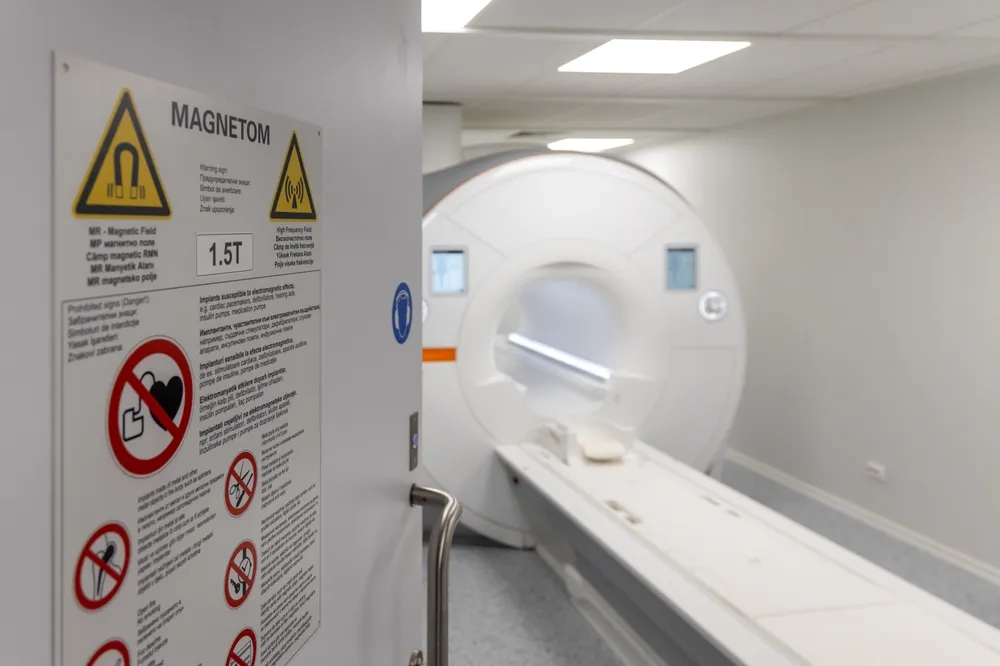
MRI is a powerful tool. It uses magnets and radio waves to create detailed images of your body without radiation. In many traditional settings, a doctor orders an MRI to answer a specific medical question, such as checking for a knee injury, a suspected stroke, or a new mass.
Insurance companies tend to respond to “medical necessity.” That means they look at your symptoms, your diagnosis, and your doctor’s notes. They also look at whether a less expensive test could answer the same question. Understanding that mindset helps you see why some scans get covered and others don’t.
Key Factors That Shape MRI Insurance Coverage
There’s no single rulebook that applies to every plan. But there are patterns. A few big factors usually decide whether your plan pays, pays in part, or doesn’t pay for an MRI:
Why You’re Getting the Scan
First, it helps to separate diagnostic scans from preventive ones. A diagnostic MRI usually follows symptoms or abnormal results. Think sudden weakness, ongoing joint pain, new seizures, or a concerning lab. In these cases, MRI insurance coverage is more common, especially when your doctor documents why the test matters.
Preventive or “screening” MRI, like a full-body health scan when you feel fine, often falls into a different category. Many plans still don’t cover whole-body screening, even though it can find issues early. This is where out-of-pocket costs, HSAs, FSAs, and financing often enter the picture.
Where Do You Get Your MRI
Your scan location also matters. Many plans prefer certain hospitals or outpatient centers, and your cost can change a lot between them. Some policies cover more when you stay “in-network,” or when you choose an outpatient center instead of a hospital setting.
If you’re scheduling your own MRI, it helps to ask ahead whether the facility accepts your plan, how they bill, and if they’re set up for cash-pay or preventive services. A few calls now can save you stress later.
Your Specific Plan Details
Every plan has its own rules. Deductibles, co-pays, co-insurance, and pre-authorization all play a part. One person’s experience with MRI insurance coverage may look very different from another’s, even within the same state.
Before your scan, it’s helpful to:
- Call the number on your insurance card.
- Ask if your MRI is likely to be covered and what your estimated cost might be.
- Confirm if prior authorization is needed and who handles it.
These steps don’t guarantee how a claim will be resolved, but they provide a clearer picture before you agree to a specific location or date.
When Insurance Doesn’t Cover an MRI
Sometimes the answer to whether insurance covers an MRI is “not this one.” This can occur with full-body screening, self-referred scans, or specific follow-up studies. While that’s frustrating, it doesn’t always mean you’re out of options.
Many people still choose to move forward because they see the scan as an investment in long-term health, especially when it offers early detection and clarity across multiple areas of the body. If that’s you, there are ways to make the cost more manageable and predictable.
Before you decide, it helps to look at all the tools available to you to make an MRI more affordable:
Use Tax-Advantaged Accounts
If you have an HSA or FSA, you can often use those funds for MRI scans. That means you’re using pre-tax dollars, which can soften the impact. This can be especially helpful when you’re paying for a full-body screening or a preventive scan your plan doesn’t cover.
Ask About Self-Pay Rates and Payment Plans
Many imaging centers offer special pricing for people who pay directly. Self-pay rates can sometimes be more straightforward than going through insurance. On top of that, some clinics provide interest-free payment plans, so you can spread the cost over time instead of paying everything at once.
Look for Transparent Pricing
Clarity goes a long way. Centers that list their prices upfront or give written estimates help you plan. You know what you’re paying for, what’s included, and what to expect after your visit. That level of transparency can lower stress just as much as the scan itself.
Veralux Supports You Beyond Insurance
When you’re ready to explore advanced MRI options beyond traditional insurance paths, Veralux in Rogers, AR, is here to support you with clarity and compassion. You’re welcomed into a calm, hospitality-driven space, where you can change into soft scrubs and know exactly what your scan includes and what it costs. Every full-body or focused MRI comes with a consultation, a clear written report, and secure portal access to your images, so you’re never left trying to interpret results on your own.
Veralux focuses on preventive whole-body and regional MRI scans with transparent, upfront pricing rather than surprise bills. You can often use HSA and FSA funds, interest-free financing, and employer partnerships to help make your scan more attainable. If you’re weighing your options and trying to understand how your health goals fit alongside insurance limits, Veralux can walk you through the choices step by step. Contact us and let’s talk about the best path for you.
Take Control of Your Health With Clarity You Can TRust
Prevention should be proactive, personal, and clear.
That's why we've created an experience that gives you real insight into your health-sooner.